Why You Should Choose Boiled or Scrambled Eggs for Breakfast: A Complete Guide
Let’s face it—mornings in an American household are nothing short of a calculated chaotic race. Between rushing to start the morning commute and making sure the kids actually have their backpacks packed, fixing a clean, nutrient-dense breakfast usually feels like a pipe dream. At Smartusshopper, we refuse to compromise on health just because the clock is ticking. In my experience, relying on sugary cereals or drive-thru breakfast sandwiches is a one-way ticket to a mid-morning energy crash. That’s why we’ve perfected the ultimate morning routine around the humble egg. We’re not just talking about basic boiling instructions; we’re talking about an airtight, time-saving meal prep strategy that guarantees a fluffy, toxin-free breakfast over low heat even on your most frantic Mondays.
1. Boiling the Perfect Egg: The Ultimate Timer Formula
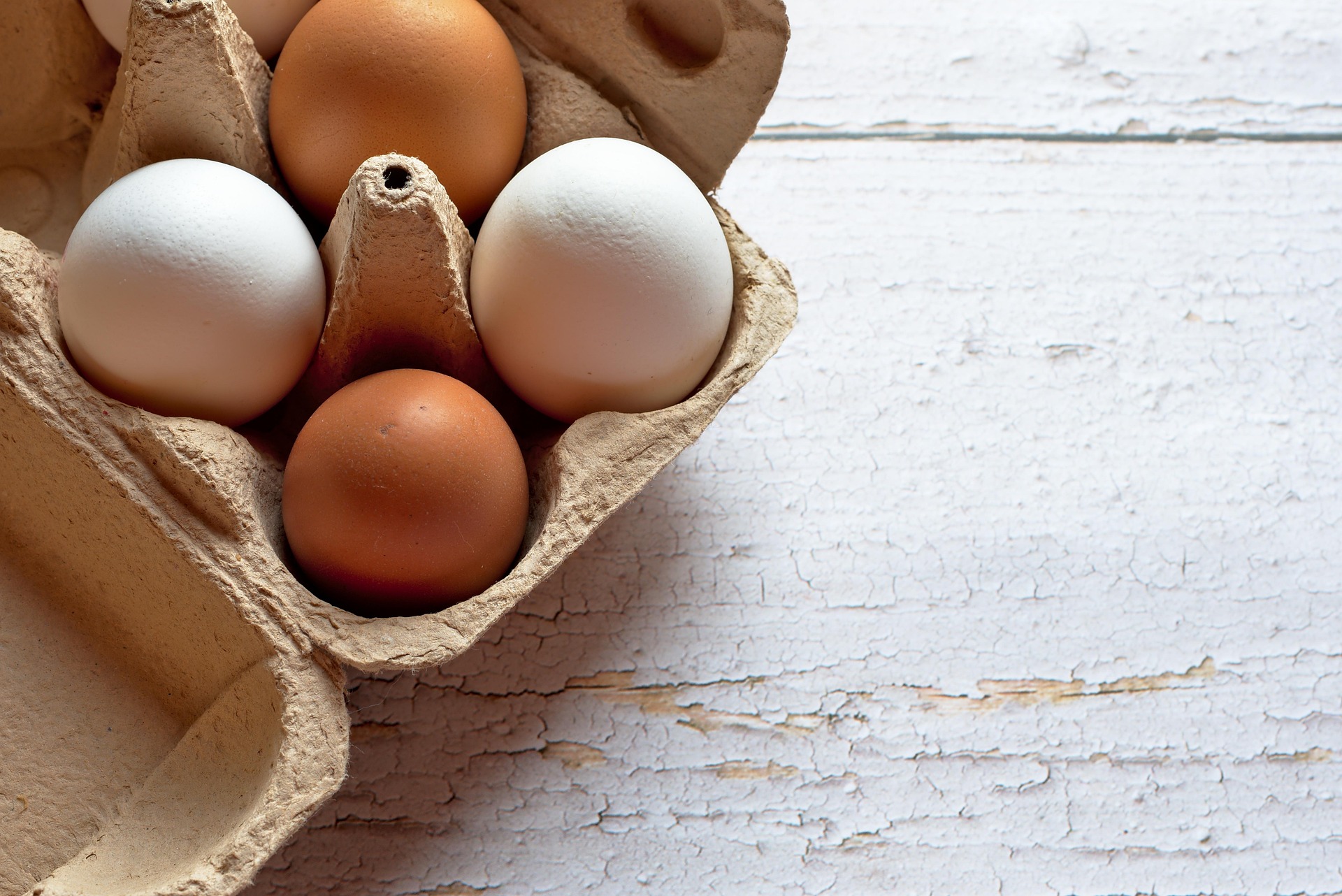
Changing your morning routine from frying eggs in hot oil to boiling or gently scrambling them is the best choice you can make to lower inflammation and improve digestion. To enjoy a tender and soft egg in the morning, precise boiling time is key. Based on eggs taken straight from the refrigerator, place them carefully into boiling water and follow this guide:
- 6 Minutes (Soft-Boiled): The whites are just set, and the yolks are completely runny. This is highly recommended for those who love a rich, liquid texture that melts in the mouth.
- 8 Minutes (Medium-Boiled): The whites are firm, and the yolks are jammy and custard-like. In my experience, an 8-minute soft-boiled egg provides the most satisfying and creamy texture for a quick morning breakfast. This stage also offers the highest nutrient absorption rate for our digestive system.
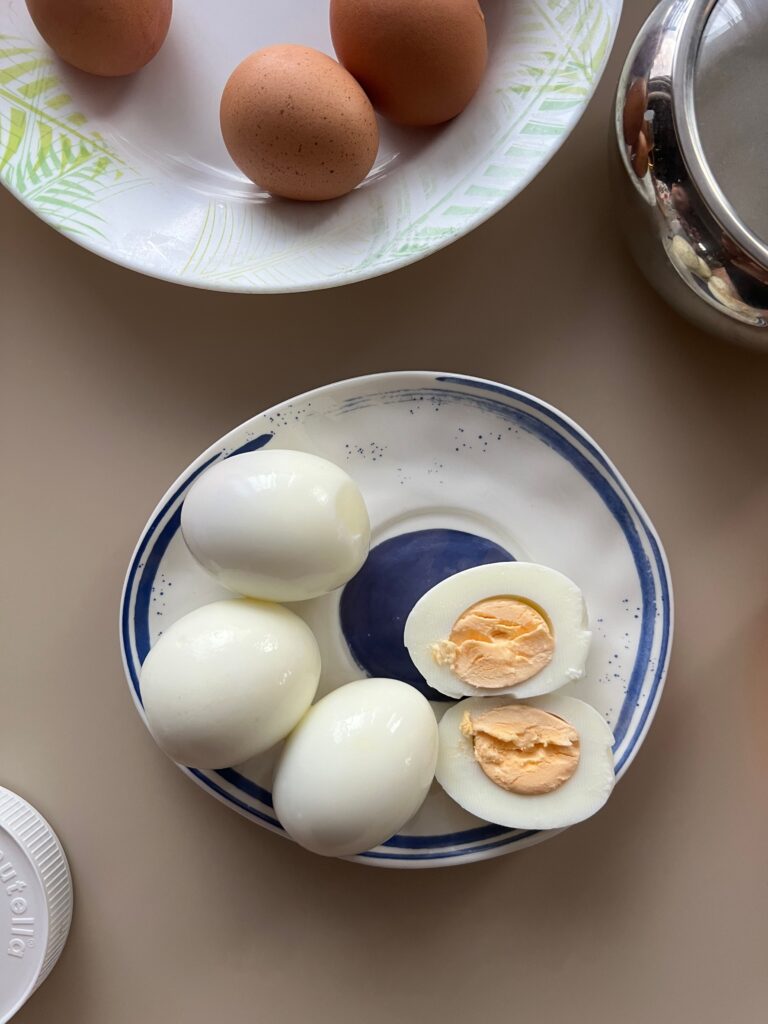
- 10 Minutes (Hard-Boiled): The yolk is completely cooked through to the center, offering a classic, nutty flavor. If you plan to boil a week’s worth of eggs in advance for your Monday-to-Friday routine, this hard-boiled stage is the safest for hygiene.
2. Meal Prep Tips: Boiling and Storing a Week’s Worth of Eggs
We all know that standing in front of the stove every single morning to boil water can be tedious when you are rushing to get ready. Boiling a batch of 5 to 7 eggs on Sunday evening will save you a tremendous amount of time and make your weekdays much more relaxing.
- How to Peel Eggs Effortlessly: Add one tablespoon of salt and one tablespoon of vinegar to the water before boiling. Vinegar softens the eggshell, while salt helps coagulate the whites to prevent leaking even if the shell cracks. Once cooked, submerge them immediately into ice water for at least 10 minutes. This cools them down completely and creates a small gap between the egg and the shell, making them effortless to peel.
- Fresh Storage Methods: At Smartusshopper, we believe that proper food storage is just as important as healthy cooking. Hard-boiled eggs must be stored in the refrigerator inside an airtight container with their shells on. Peeling them beforehand for convenience causes them to lose moisture quickly and exposes the surface to unwanted bacteria. Hard-boiled eggs can be safely stored in the fridge for 5 to 7 days, so you can simply grab one each morning, peel it quickly, and enjoy.
3. 3-Minute Hotel-Style Fluffy Scrambled Eggs
When you get tired of cold pre-boiled eggs or crave something warm and comforting, a soft scramble is your best alternative. Here is our favorite formula to cook them gently without high-heat frying.
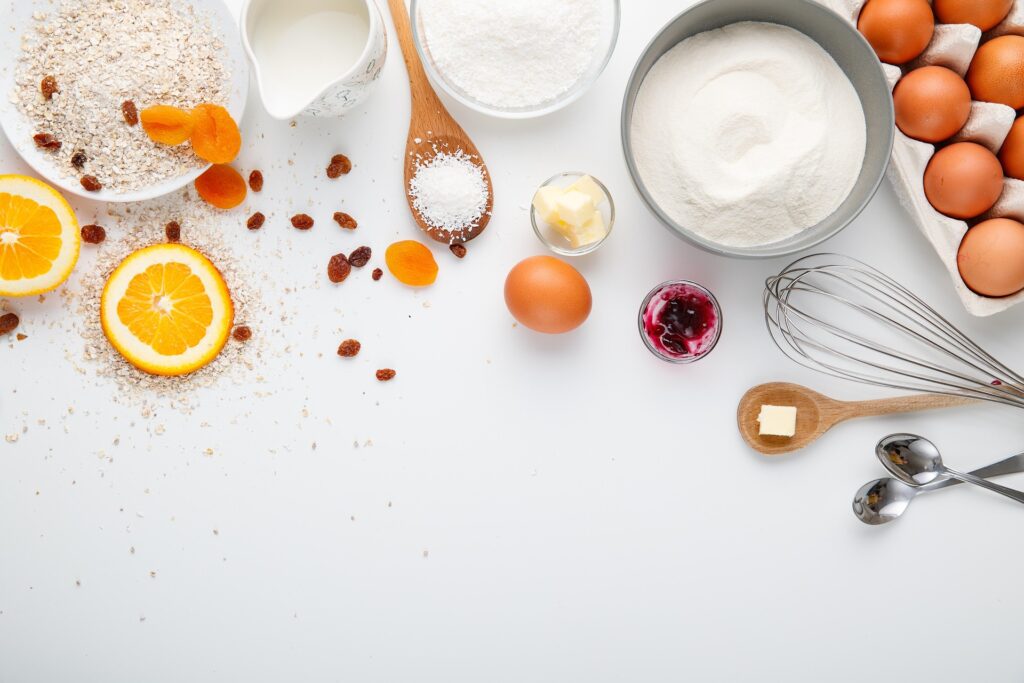
- Ingredients: 2 eggs, 2 tablespoons of milk or soy milk, half a drop of olive oil, a pinch of salt.
- Instructions: Whisk the eggs, milk, and salt together in a bowl until fully combined. The natural fat in the milk loosens the protein bonds, making the texture extremely fluffy and soft. Put your pan over the lowest heat setting, lightly coat it with olive oil using a paper towel, and pour in the egg mixture. As the bottom begins to set, gently push the eggs from the edges with a spatula to create soft, pillow-like curds. We always recommend using low heat for scrambled eggs to preserve the essential vitamins and avoid oxidative stress from overheated oil. Turn off the heat when they are about 80% cooked, allowing the residual heat of the pan to finish the job. Transfer to a plate, and you will have a hotel-quality scramble that dissolves beautifully.