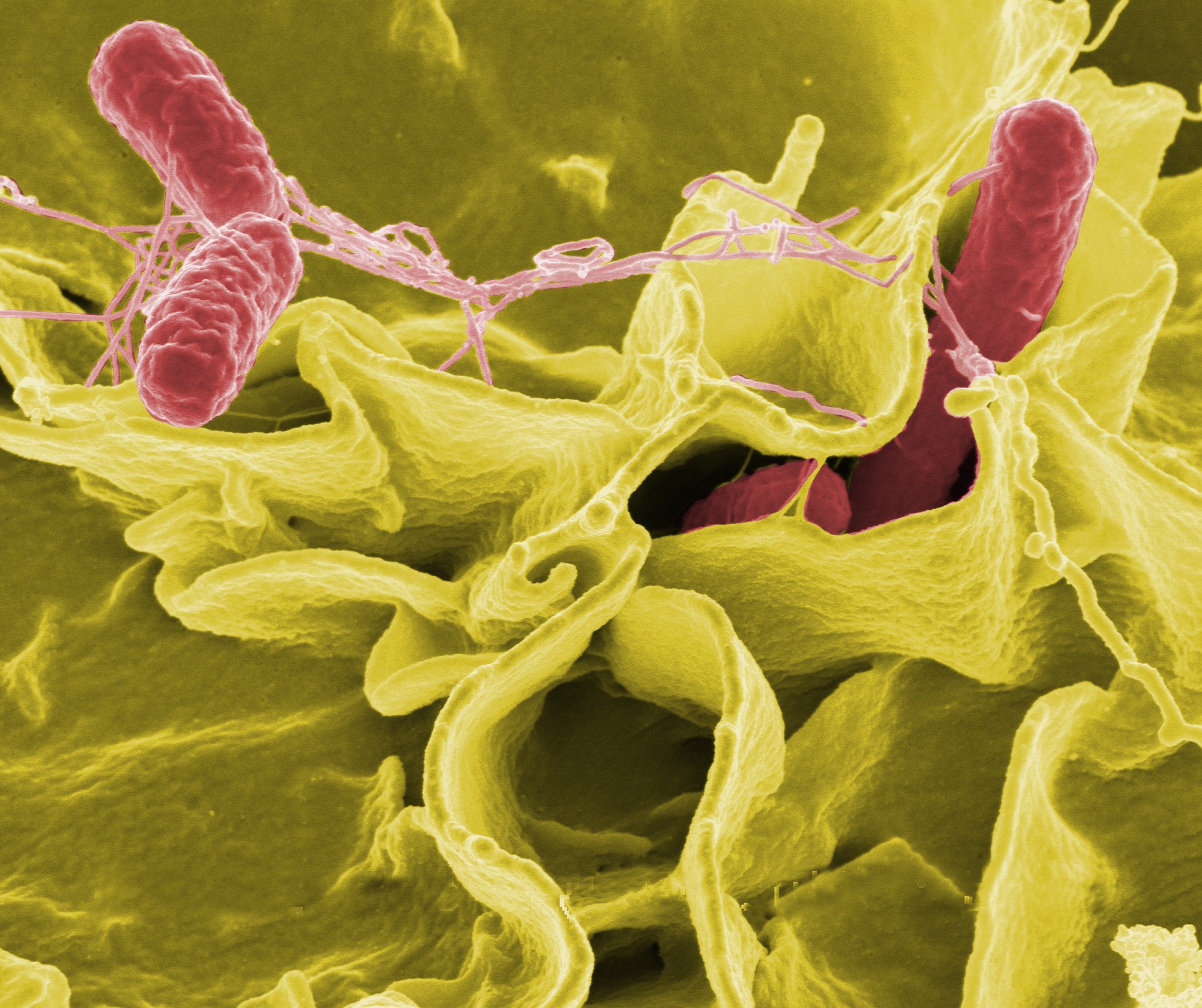
The Salmonella Recall Crisis in the US: A Complete Guide to Safely Eating Eggs and Avocados
Recently, consumer anxiety has been growing across the United States as everyday staples like eggs and avocados face massive consecutive recalls due to potential Salmonella contamination.
Salmonella is a leading bacterial cause of foodborne illness worldwide, capable of triggering severe and even life-threatening complications in extreme cases.



1. Symptoms and Risks of Salmonellosis
When a person consumes food contaminated with Salmonella, physical reactions and symptoms typically begin to surface within 6 hours to 6 days.
The most common symptoms include severe abdominal cramps, diarrhea, high fever, vomiting, and headaches; healthy adults usually recover naturally within 4 to 7 days.
However, for high-risk individuals such as infants, pregnant women, and the elderly, the bacteria can enter the bloodstream, potentially causing fatal outcomes like sepsis.
2. Beyond Eggs and Avocados: Accurately Identifying High-Risk Foods
While many believe Salmonella only exists in raw meat or poultry, according to the U.S. CDC, fresh produce and fruits are also major sources of contamination.
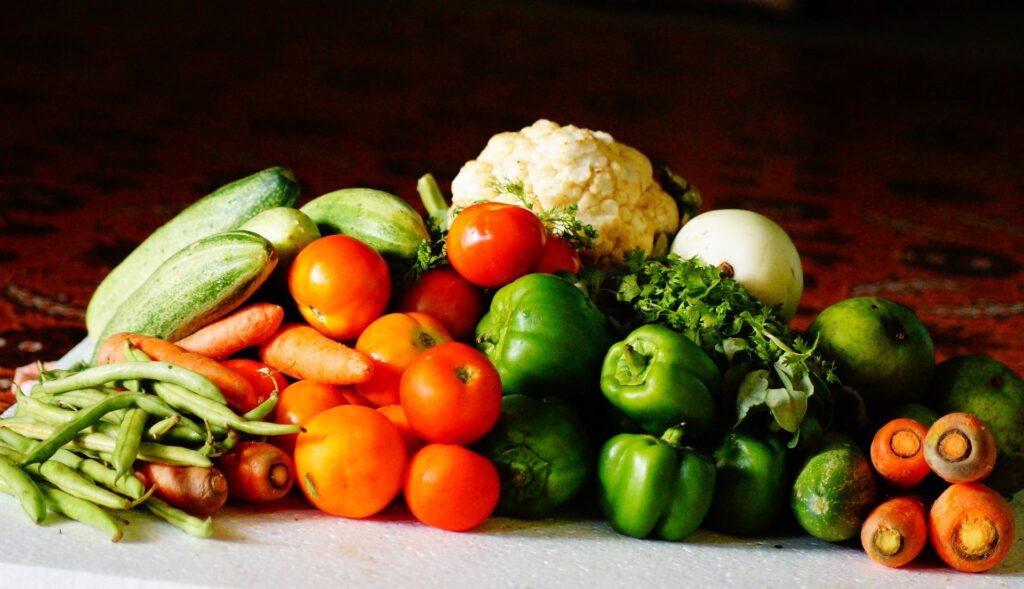
- Cucumbers: A primary culprit behind recent U.S. outbreaks involving hundreds of illnesses, where contaminated agricultural water typically taints the rind, triggering massive recalls.
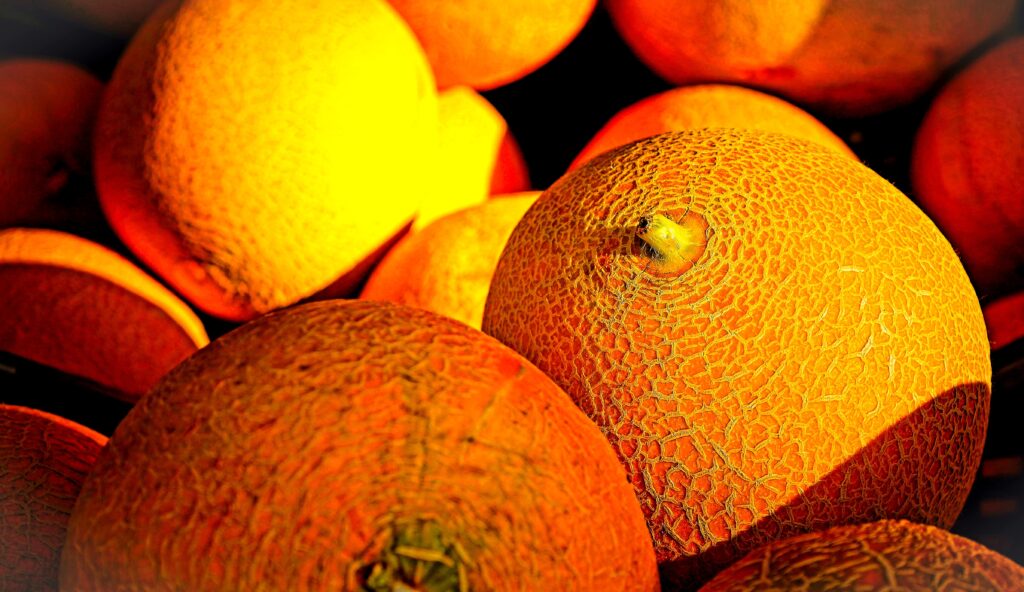
- Cantaloupes: Due to their netted and porous rind structure, bacteria easily cling to the surface, and slicing them without washing drags germs straight into the edible flesh.
- Raw Sprouts: Alfalfa, clover, and broccoli sprouts grow in warm, humid conditions – the ideal incubator for bacterial growth – making them extremely hazardous when consumed raw.
- Onions: Grown in environments highly susceptible to soil-borne pathogens, they are a frequent item for sweeping nationwide recalls whenever major distribution facilities become contaminated.
- Peanut Butter: Although it seems safe as a dry food, Salmonella survives for an incredibly long time in oily, low-moisture environments, making manufacturing equipment contamination highly dangerous.
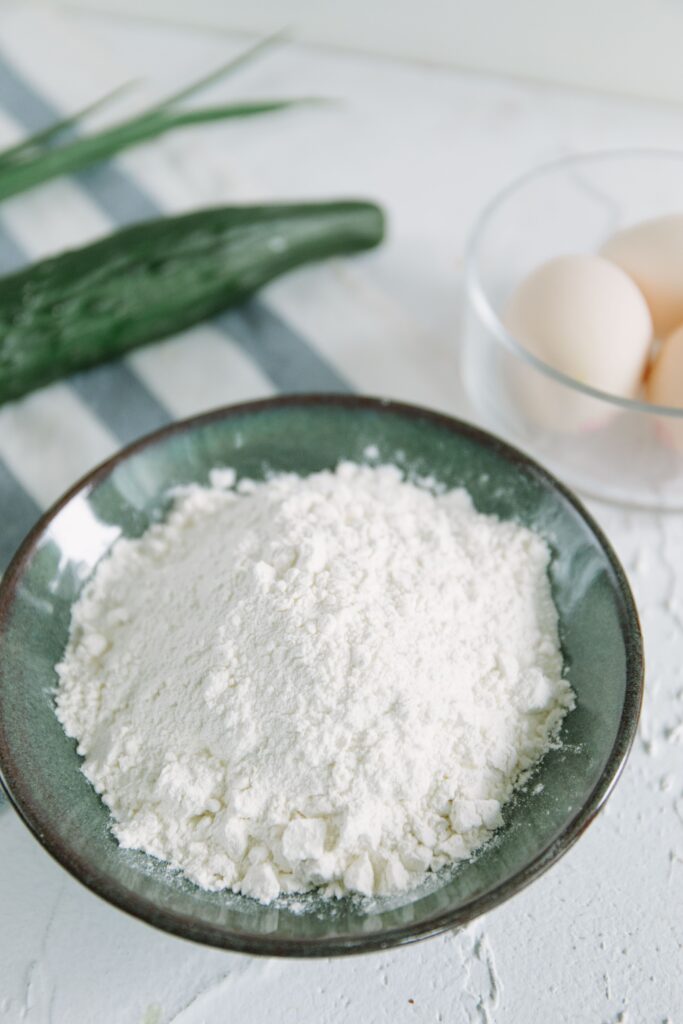
- Raw Flour: Raw flour straight from grain fields may harbor intact bacteria before heat treatment, frequently causing infections in the U.S. when children sample unbaked cookie dough.
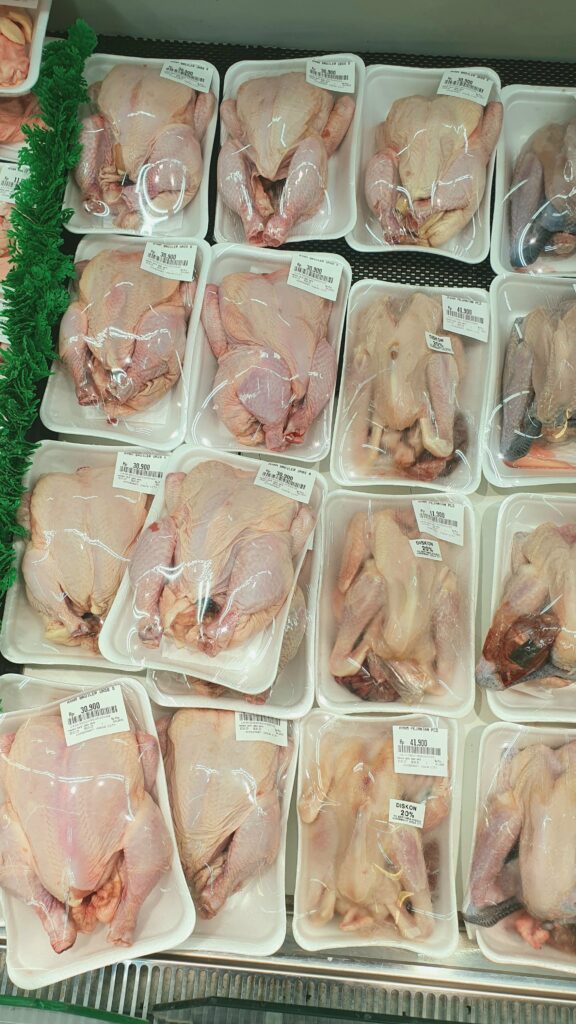
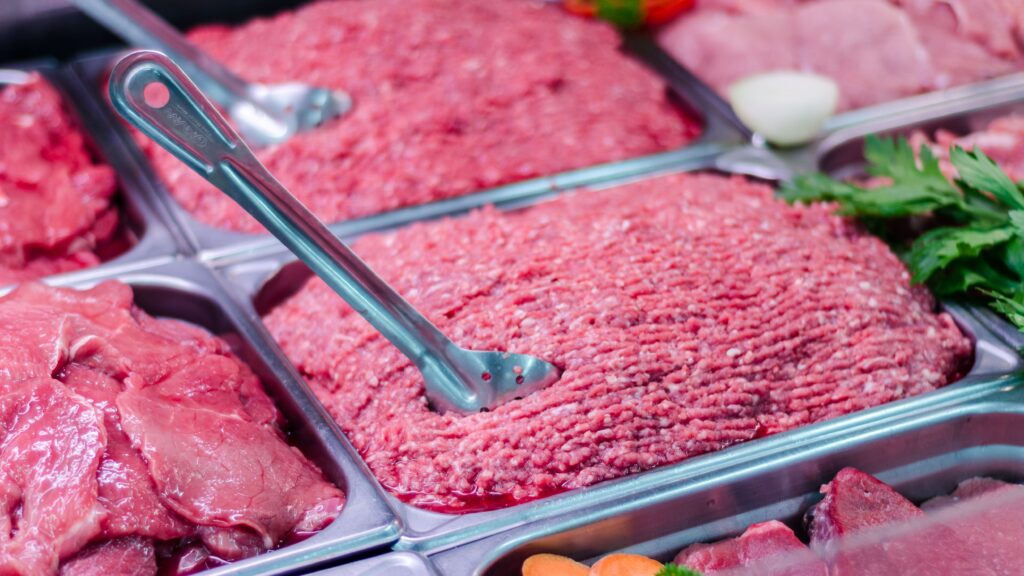
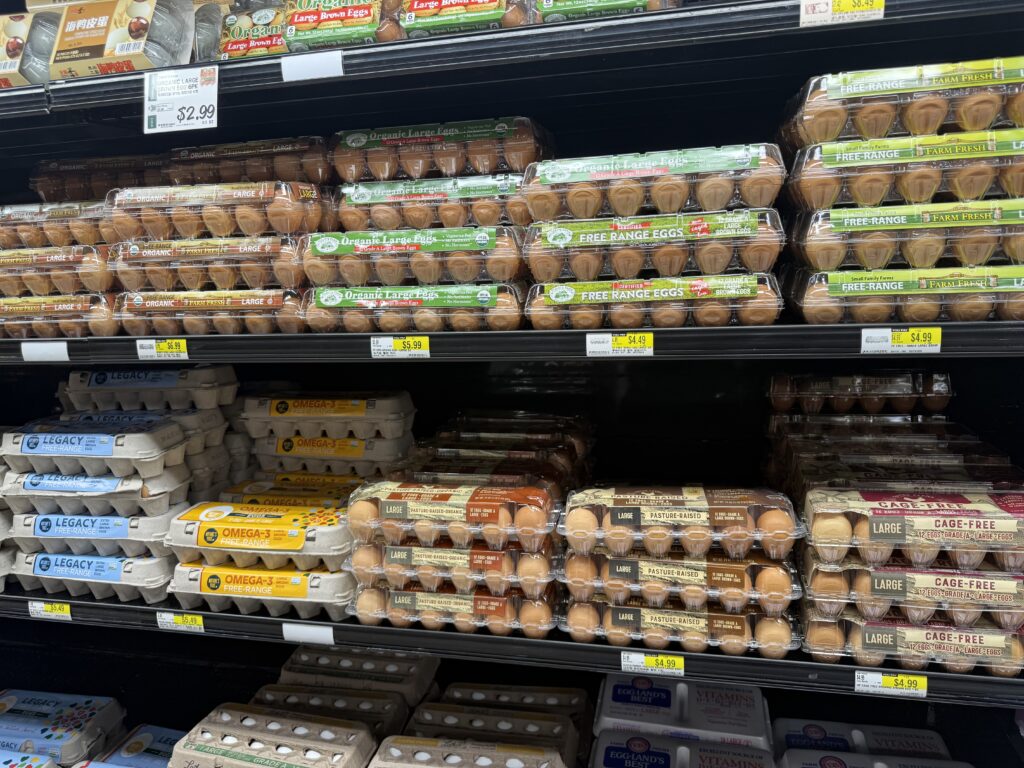
3. Four Core Hygiene Protocols to Fully Defeat Salmonella
To completely block Salmonella, federal health authorities strongly recommend strictly practicing the four core principles in the kitchen: Clean, Separate, Cook, and Chill.
① Thorough Washing of Rinds and Hands (Clean)
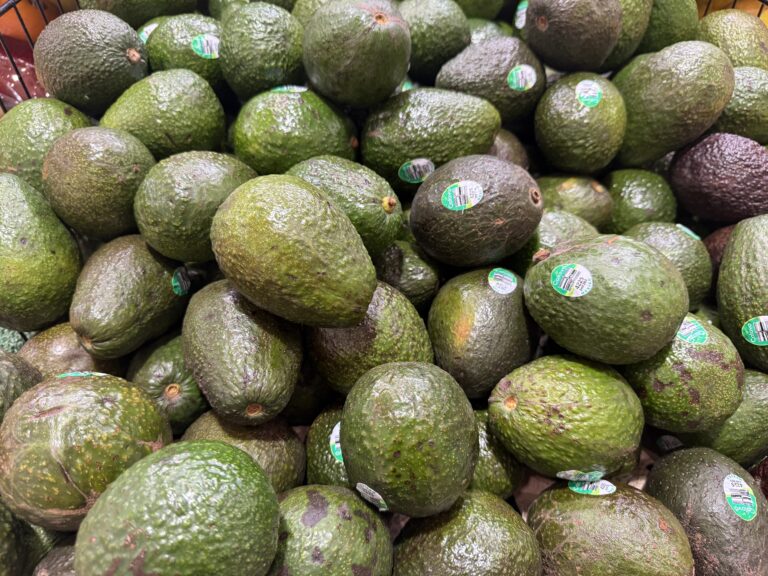
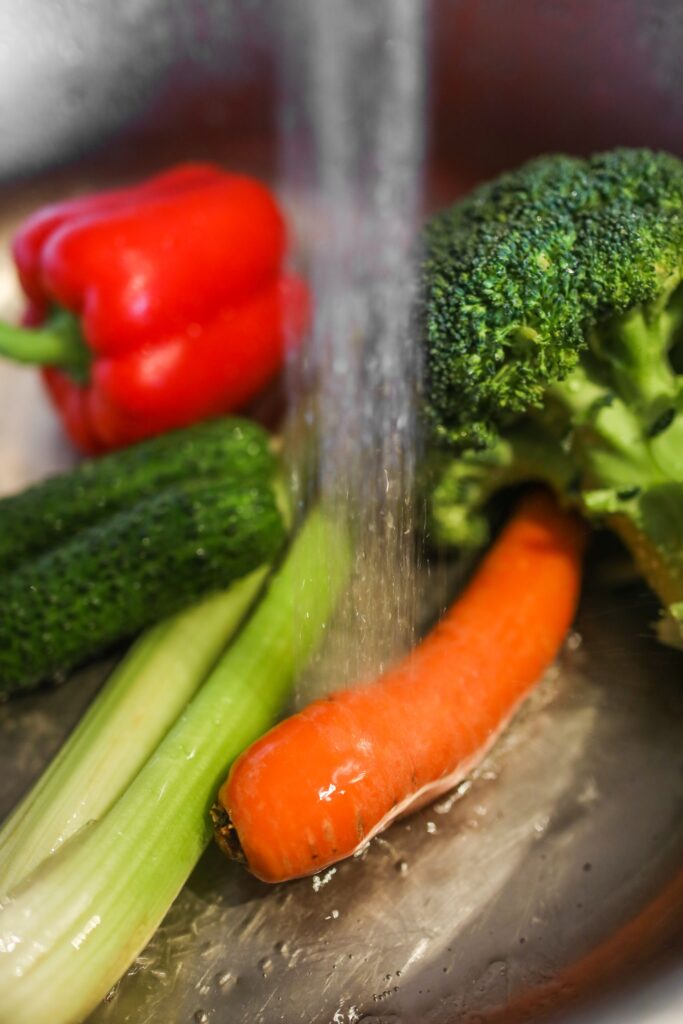
Even for fruit with inedible skins like avocados or cantaloupes, you must thoroughly scrub the exterior under running water before slicing to prevent blade-driven contamination of the flesh.
Additionally, immediately after handling or cracking raw shell eggs, wash your hands with soap and warm water for at least 20 seconds to halt the transfer of germs to other utensils.
② Strict Separation of Raw and Ready-to-Eat Foods (Separate)
To prevent cross-contamination, cutting boards and knives used for ready-to-eat avocados or salad greens must be strictly separated from tools handling raw meat or raw eggs.
③ Complete Cooking to Safe Core Temperatures (Cook)
Salmonella is highly heat-sensitive and dies at temperatures above 70°C (160°F); therefore, during active recall periods, avoid runny or soft-boiled styles and ensure eggs are fully cooked.
④ Prompt and Proper Refrigeration (Chill)
Because Salmonella multiplies exponentially at room temperature, never leave purchased eggs or leftover guacamole out for more than 2 hours; refrigerate them promptly at or below 4°C (40°F).
Conclusion
While food poisoning and Salmonella recalls are intimidating headlines, this is a disease that can be entirely controlled and prevented with minor, scientifically-backed changes to our cooking habits.