The Shocking Scientific Reason Why You Must Close the Toilet Lid
We use the restroom multiple times a day, but few realize that a minor, sub-conscious habit could be jeopardizing the health of their entire family. This is the habit of flushing the toilet with the lid wide open. If you have ever thought, “It’s just a few microscopic water droplets splashing around, what’s the big deal?” you couldn’t be more wrong. In this article, based on a groundbreaking laser experiment by researchers at the University of Colorado Boulder, we will explore the detailed scientific reasons why you must close the toilet lid, along with essential bathroom hygiene tips.
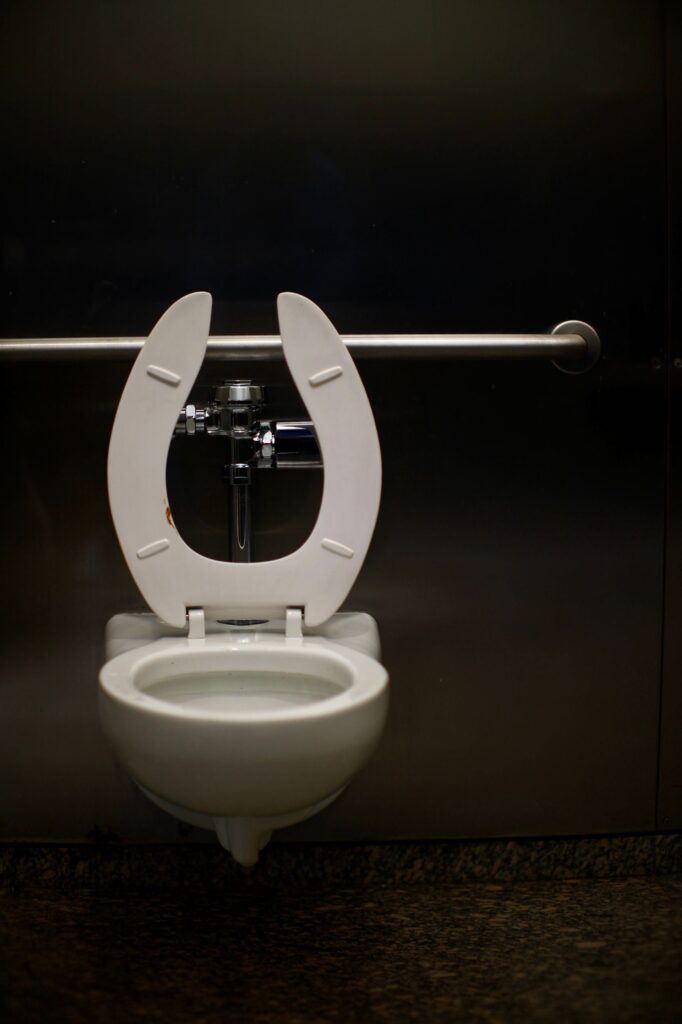
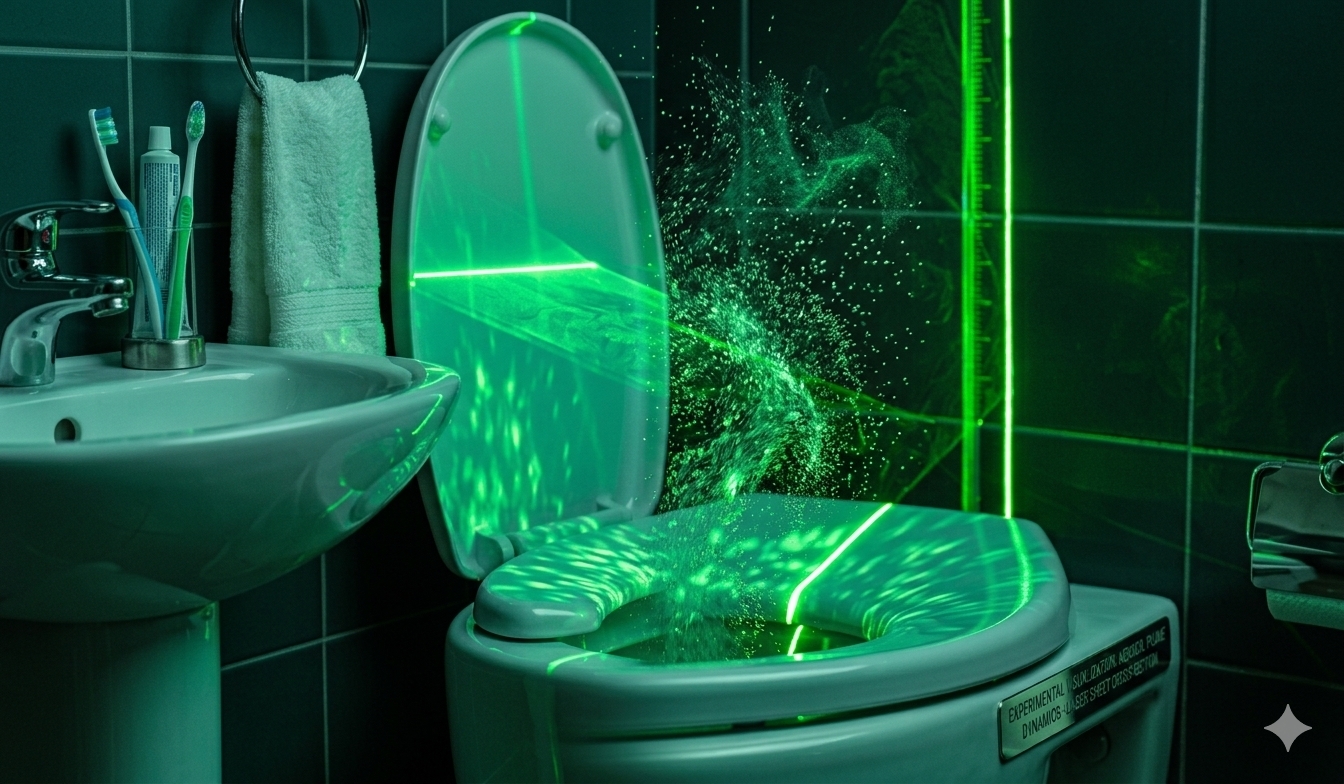
1. The Shocking Truth of the ‘Toilet Plume’ Revealed by Green Lasers A research team at the University of Colorado Boulder conducted an experiment utilizing bright green laser beams and high-speed cameras to visualize the movement of invisible microscopic waste droplets, known as aerosols. The visual evidence was deeply unsettling. Driven by the forceful water pressure and swirling vortex of a standard flush, microscopic particles packed with bacteria and viruses blasted upward into the air at a staggering speed of 2 meters per second.Shockingly, these invisible particles reached heights of up to 1.5 to 1.6 meters within a mere 8 seconds. This height perfectly aligns with the breathing zone of a standing adult and the face level of a child. In the scientific community, this eruptive column of airborne particles expelled during a flush is formally known as a ‘Toilet Plume.’ The study conclusively proved that flushing with an open lid releases over 100 times more airborne bacteria into the room compared to flushing with the lid closed.
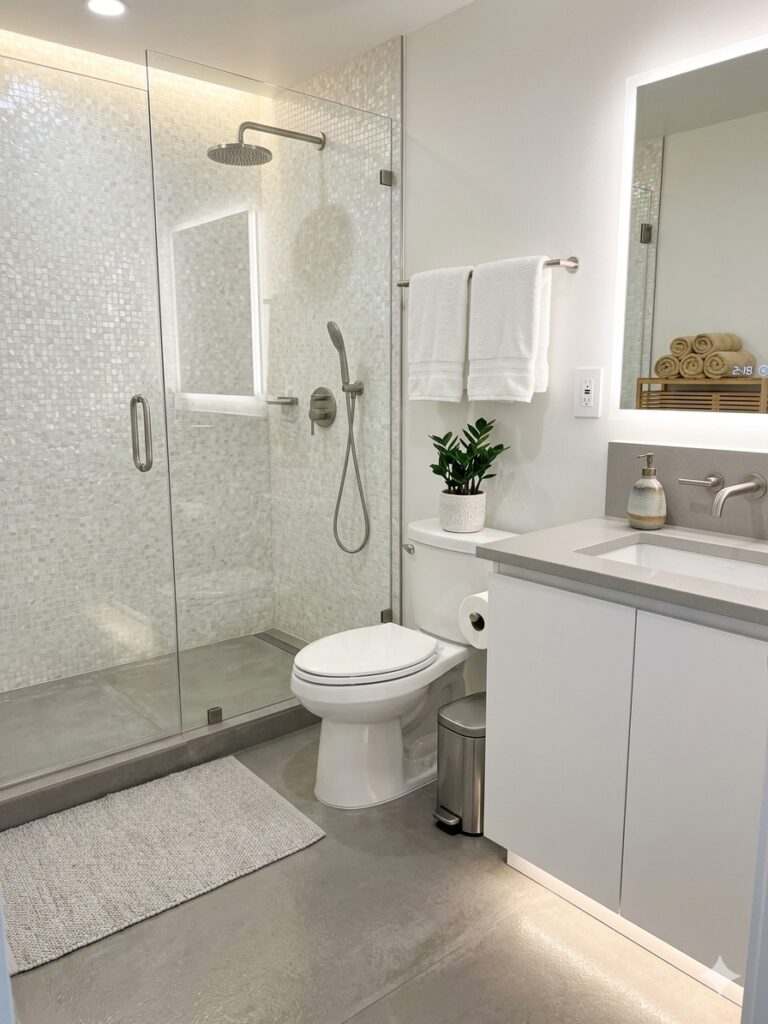
2. Invisible Pathogens Are Contaminating Your Toothbrush and Towels One might assume that these forcefully ejected microscopic droplets are heavy enough to fall straight back down to the floor, but that is far from reality. These lightweight aerosol particles remain suspended in the bathroom air for several minutes, drifting and dispersing into every corner of the room.Consequently, they land on the items you touch and use daily—the toothbrush you put in your mouth, the towel you use to dry your face, your razor, and even the bathroom walls, sink faucets, and doorknobs. No matter how thoroughly you wash your hands or brush your teeth, if you are using personal care products contaminated by a toilet plume, you are essentially spreading harmful bacteria all over your body.
3. Dangerous Pathogens Lurking Inside the Toilet Plume The airborne aerosols generated by an open-lid flush carry a cocktail of highly infectious and hazardous pathogens that exceed our imagination:
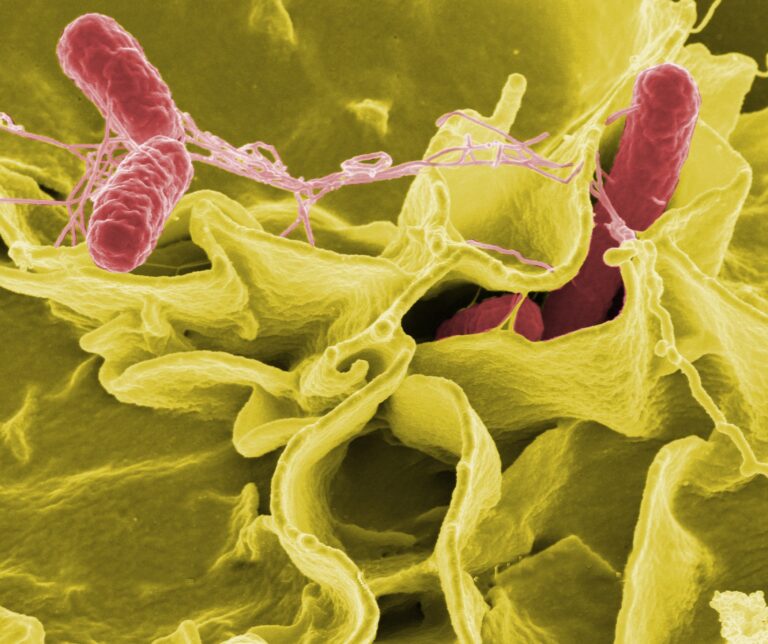
E. coli and Salmonella: These bacteria are notorious for causing severe abdominal pain, acute gastroenteritis, vomiting, and diarrhea. Salmonella, in particular, possesses a remarkably resilient survival rate, remaining active in toilet crevices and surroundings for up to 50 days while continuously contaminating the environment.
Norovirus: Norovirus, which is extremely contagious, spreads effortlessly via toilet plumes. If a family member suffers from stomach flu and flushes with the lid open, the virus becomes airborne, drastically increasing the likelihood of a secondary outbreak among other family members who share the same bathroom.
Other Harmful Bacteria: Pathogens like Staphylococcus aureus or Pseudomonas aeruginosa can trigger skin irritation or infections upon contact. If they land on a toothbrush, they can infiltrate the gums, contributing to periodontal diseases, or cause conjunctivitis if they get into your eyes.
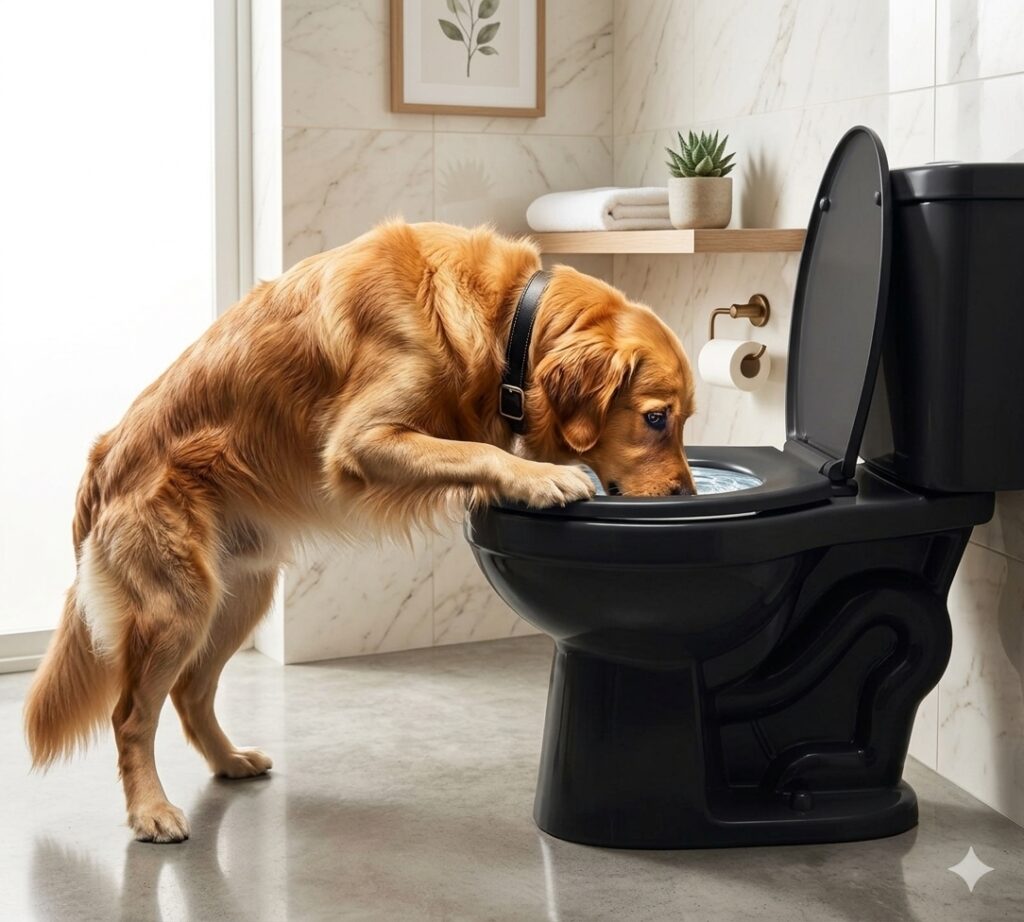
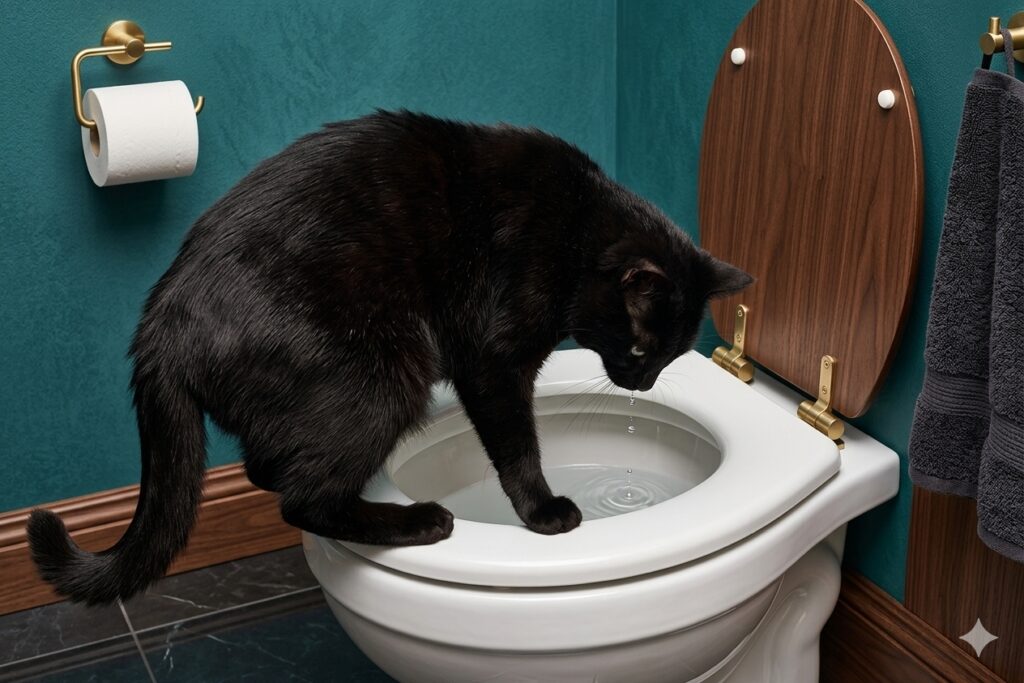
Pets Drinking Toilet Water: A Dangerous Curiosity If you share your home with a dog or a cat, you have likely caught them snooping around the restroom or even lapping up water straight from the toilet bowl. To a pet, toilet water feels like an attractive option because it is constantly circulating, making it seem cooler, well-oxygenated, and “fresh” compared to stagnant water in a bowl. However, this instinctual behavior poses severe threats to their health.Toilet bowls host a lingering population of E. coli and Salmonella, alongside residual chemicals from household cleaners. If a pet drinks water containing automatic toilet bowl cleaners, bleach, or detergents, these harsh chemicals can severely irritate or burn their gastrointestinal lining, leading to vomiting, diarrhea, esophageal burns, or internal organ damage. Furthermore, ingesting the pathogenic bacteria from the bowl can trigger acute gastroenteritis or life-threatening sepsis in both dogs and cats.
4. The Culprit Behind Surging Humidity and Mold GrowthLeaving the toilet lid open habitually is detrimental not just during a flush, but to the overall bathroom climate throughout the day. The water inside the toilet bowl continuously evaporates even when not in use. Keeping the lid open causes the humidity levels in the bathroom to skyrocket. A stagnant, humid bathroom provides the ideal breeding ground for mold, mildew, and black grime along tile grout and silicone sealants. This not only generates an unpleasant, musty odor but also worsens respiratory allergies and asthma.
Essential Bathroom Hygiene Guide for Blog Readers The most effective, cost-free preventative measure is incredibly simple: “Always close the toilet lid completely before hitting the flush button.” This single, effortless motion completely seals off the escape route for bacteria. Additionally, make sure to store your toothbrushes and razors inside an enclosed cabinet away from the toilet bowl. Lastly, run the bathroom exhaust fan for at least 20 minutes after use or keep a window cracked open to ensure proper air circulation. Protect the well-being of your loved ones by building a cleaner, healthier bathroom habit today!