Walking Together Through the Fog of Memory: Understanding and Accompanying Dementia
In the grand journey of life, each of us builds a unique library of experiences and cherished memories. But what happens if, one day, the books in that library begin to fade, vanish, or lose their order? This profound and challenging reality is what we call Dementia. Living in the United States, we know that dementia is no longer a distant headline; it is a lived reality for millions of families, neighbors, and friends. Through this piece, we seek to deeply understand the true nature of this condition and explore how we can walk this path together, ensuring that no one has to face it alone.
What is Dementia? A General Term, Not a Single Disease
Many people mistakenly believe that dementia is a single, specific disease. However, medically speaking, dementia is an umbrella term for a collection of symptoms caused by underlying brain disorders. It is characterized by a decline in memory, reasoning, language, and other thinking skills severe enough to reduce a person’s ability to perform everyday activities.
The most common cause of dementia is Alzheimer’s Disease, accounting for an estimated 60% to 80% of cases. In Alzheimer’s, abnormal proteins (amyloid plaques and tau tangles) accumulate in the brain, gradually destroying brain cells. The second most common type is Vascular Dementia, which occurs due to microscopic bleeding and blood vessel blockage in the brain, often linked to strokes. Other forms include Lewy body dementia and frontotemporal dementia.
It is crucial for us to distinguish normal age-related forgetfulness from dementia. Misplacing your car keys from time to time is typical aging; forgetting what those keys are actually used for, however, could be an early warning sign of dementia. Recognizing these distinctions early allows us to seek timely professional guidance.
The Reality Faced by American Society and Families
According to data from the Alzheimer’s Association, millions of Americans are currently living with Alzheimer’s or a related form of dementia. As our population ages, this number is projected to rise dramatically over the coming decades.
In my experience, a diagnosis of dementia does not just change the life of the patient; it fundamentally alters the entire trajectory of the family. Family caregivers across the nation often find themselves balancing immense emotional stress with significant financial burdens. Navigating the complex U.S. healthcare landscape, including Medicare, Medicaid, and private long-term care insurance, can feel like an overwhelming maze. Yet, the most vital lesson we can embrace is that we do not have to carry this weight in isolation.
The Progression and Stages of Dementia
Dementia typically progresses through three broad stages—mild, moderate, and severe—with each phase requiring different levels and types of support.
- Early Stage (Mild): Individuals may still function independently but struggle with frequent short-term memory lapses, trouble finding the right words, or getting lost in familiar places. During this time, many experience heightened anxiety or depression as they notice their own cognitive changes.
- Middle Stage (Moderate): Memory loss becomes more pronounced. Individuals may forget personal details, get confused about what day or season it is, and need assistance dressing appropriately. This stage often introduces behavioral and psychological symptoms (BPSD), such as restlessness, paranoia, or mood swings, necessitating constant supervision.
- Late Stage (Severe): In this final stage, physical abilities severely decline. Individuals lose the capacity to respond to their environment, carry on conversations, and eventually, control movement. Full-time, comprehensive care is required, making palliative and hospice approaches essential to preserving human dignity.
Habits for Brain Health: What We Can Do to Prevent and Delay Dementia
While there is currently no definitive cure to reverse dementia, strong scientific consensus shows that specific lifestyle modifications can significantly lower risks and slow progression. We believe in taking a proactive, multifaceted approach to brain health:
- Regular Aerobic Exercise: Activities like brisk walking, swimming, or cycling boost blood flow to the brain and stimulate the growth of new neural connections.
- Embracing a Mediterranean Diet: Prioritizing fresh vegetables, fruits, whole grains, lean fish, and olive oil helps reduce oxidative stress and neuroinflammation.
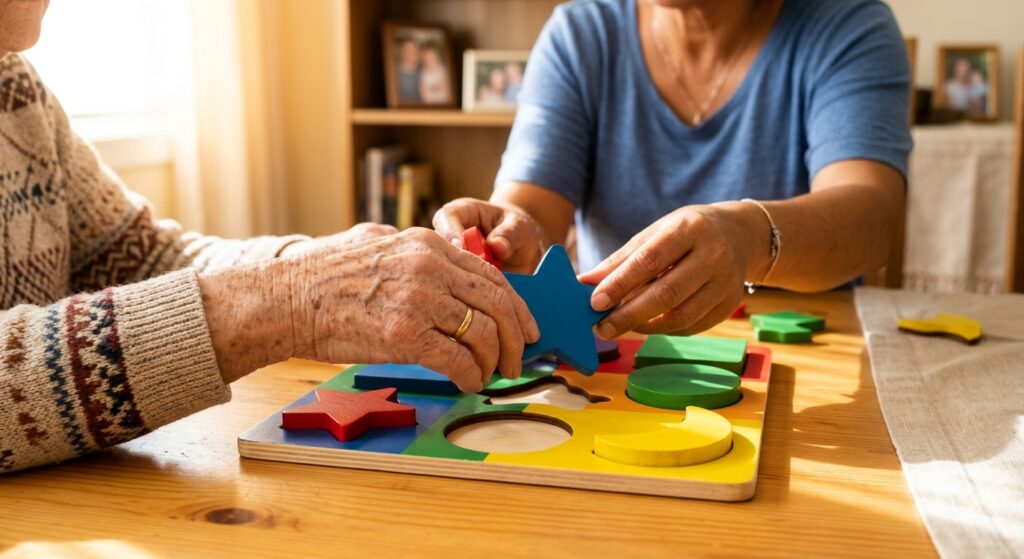
- Continuous Cognitive Stimulation: Learning a new language, practicing a musical instrument, reading, or solving complex puzzles builds a ‘cognitive reserve’ that helps the brain resist damage.
- Maintaining Social Connections: Social isolation is a documented risk factor for cognitive decline. Staying actively engaged with family, friends, and local community groups serves as a powerful protective shield for our minds.

Conclusion: The Power of Compassion and Solidarity
People living with dementia may be losing their memories, but they do not lose their capacity for emotion, love, and human dignity. They still crave warmth, security, and connection. In a diverse and vast nation like ours, when we look at dementia patients and their caregivers with empathy rather than stigma, and when we strengthen our local community support networks, we strip away the fear surrounding this condition. Walking hand in hand through the fog—that is the most meaningful journey we can take together.