Why Are Gas Prices So High Right Now? The Secret Behind Rising Oil Prices and Local Distribution
Many of you might look at the numbers on the gas pump and gasp in disbelief. The phrase “It went up again since last week” has become an all-too-familiar complaint. Why do gas prices keep climbing without a break? Is it simply due to global instability, or is there a hidden mechanism we aren’t aware of? In this post, we will break down the massive global issues shaking international oil markets, as well as the unique local distribution secrets that cause domestic gas prices to jump so rapidly.
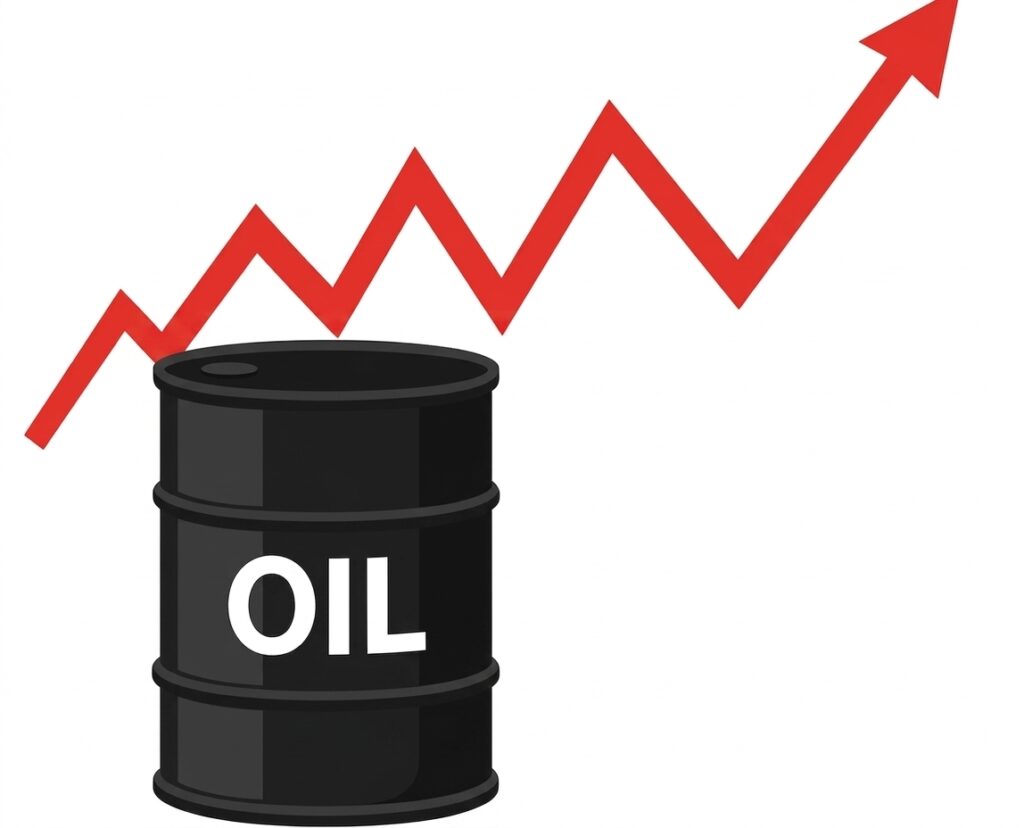
1. Global Issues: The Massive Hands Moving Oil Prices
The primary reason behind rising gas prices lies in the geopolitical risks and economic pressures unfolding across the globe. Since oil is a globally shared resource, any disruption at the production source or along major transit routes causes immediate, worldwide price volatility.
Geopolitical Risks in the Middle East
The most critical factor is the military conflict in the Middle East. Tensions between the U.S., Israel, and Iran have pushed the crude oil market into a state of high anxiety. In particular, whenever fears arise over the potential blockade of the “Strait of Hormuz”—a vital chokepoint through which a massive portion of the world’s seaborne oil passes—international oil prices skyrocket. The sheer anxiety of a potential supply shortage drives prices upward.
U.S. Economic Sanctions on Iran
Adding fuel to the fire, strict U.S. economic sanctions and heavy deadlines imposed on Iran have exacerbated the situation. The economic pressure from the U.S. aiming to completely block Iranian oil exports sends a strong signal of a impending “crude oil shortage” to the market. When the outlook suggests that supply will be choked while demand remains steady or grows, it naturally prolongs the upward trend of oil prices.
The Burden of a High Exchange Rate
For oil-importing countries like South Korea, the exchange rate is just as crucial as the international oil price itself. When the local currency weakens against the U.S. dollar, oil refiners must pay significantly more to import crude oil. This double whammy of rising import costs and refining expenses is directly passed down to local gas stations, triggering a vicious cycle.
2. Rising at the Speed of Light” The Truth Behind Local Distribution
There is a specific grievance that consumers express most frequently: “Why does it take forever for prices to drop when international oil prices fall, but they jump the very next day when prices rise?” Normally, it takes about two to three weeks for international crude price changes to impact local gas stations. However, during periods of rapid escalation, prices soar almost instantly due to several internal, structural reasons.
Pre-reflection & Anticipatory Pricing
When news headlines constantly predict that oil prices will keep climbing, drivers rush to gas stations with a mindset of “Let’s fill up before it gets even more expensive.” From the station owners’ perspective, even if they still have inventory bought at a cheaper rate, they know the next batch from the refiners will cost more. To protect their margins, they proactively raise pump prices. This combination of “pre-reflection” and “panic buying” accelerates the price hike.
The Unique ‘Post-Settlement’ System
One of the most unique characteristics of certain domestic petroleum markets is the “post-settlement system.” Many gas stations receive oil from refiners first, sell it to consumers, and settle the final wholesale price at the end of the month based on updated market conditions. In essence, station owners operate without knowing the exact wholesale cost of the fuel they are currently pumping. During a price surge, because it is difficult to predict how much they will owe the refiners later, they safely jack up retail prices to avoid taking a massive financial hit.

Summary & Conclusion: How to Smartly Navigate Soaring Gas Prices
In conclusion, the recent spike in gas prices is a combined result of macro-factors—such as geopolitical crises in the Middle East and U.S. sanctions on Iran—and micro-factors, namely the defensive pricing strategies (pre-reflection and post-settlement) of local gas stations. Until international oil markets stabilize or exchange rates drop, this high-price trend is highly likely to persist for the foreseeable future.
While everyday drivers cannot directly lower global oil prices, now is the time to practice economic wisdom. Utilizing fuel-price comparison apps to locate the cheapest nearby stations or maximizing credit card cashbacks and discounts can help minimize out-of-pocket expenses. In these challenging times of high inflation, we hope these insights help lighten the financial burden on your household through smarter spending habits.