
My Friend Just Bought a House. What’s Up with U.S. Mortgage Rates Right Now?
A close friend of mine recently shared the exciting news that they finally bought a house here in the U.S. While I was thrilled for them, my first thought was, “Is it really okay to buy a house in this economic climate?” Given how chaotic the U.S. housing market and interest rates have been over the past few years, anyone would wonder.
Curious about my friend’s bold move, I decided to dig into the latest news regarding U.S. mortgage rates. Currently, the 30-year fixed mortgage rate in the U.S. has eased from its painful peak near 8% and is now stabilizing in the mid-5% to low-6% range. With inflation cooling down and shifting monetary policies from the Federal Reserve, we are finally seeing the light at the end of the high-interest-rate tunnel. Market experts analyze that while rates are unlikely to drop drastically anytime soon, the era of sudden spikes is mostly behind us, moving into a phase of stabilization.


When I asked my friend if they felt pressured by the still-elevated rates, their response was highly practical. They told me that instead of throwing money away on skyrocketing monthly rents—essentially paying off someone else’s mortgage—it made more sense to secure a home now and refinance later when rates drop further. As the popular real estate saying goes, “Marry the house, date the rate.”
Furthermore, my friend emphasized the concept of refinancing. The housing market changes, but your location and property value remain. If you find a home that fits your lifestyle and budget, locking it in now protects you from future home price increases. When mortgage rates inevitably drop in the future as the macroeconomic cycle turns, you can simply change the financial terms of your loan. This is exactly what it means to “date the rate”—you are not stuck with 6% forever.
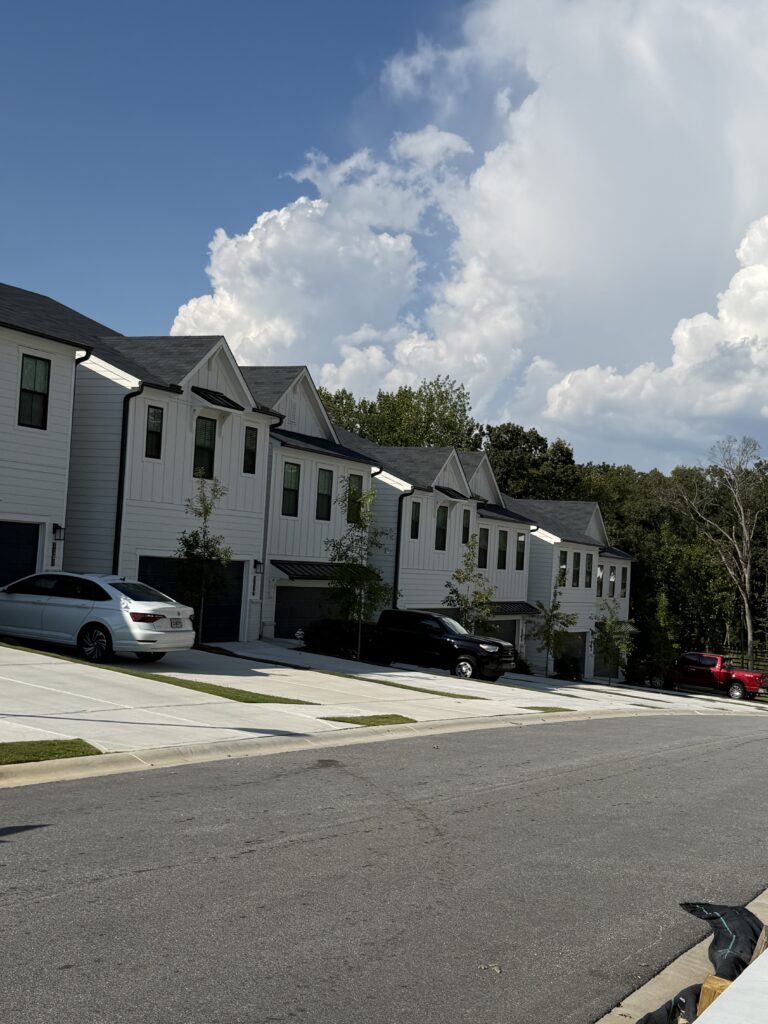
If you are considering buying a home in the U.S., waiting indefinitely for rates to return to the 3% era might not be the best strategy. Economists suggest that barring a massive global economic crisis, those historically low rates are unlikely to return anytime soon. Therefore, sitting on the sidelines hoping for a drastic drop could mean missing out on good properties and continuing to pay high rent. If you find the right property and your current rent is a heavy burden, capitalizing on this stabilization period and planning for a future refinance could be a smart financial move.
Ultimately, this period of rate stabilization should be viewed not with fear, but as a window of opportunity. It allows buyers to negotiate without the frantic bidding wars of the past few years. By combining careful budgeting with a solid long-term refinancing plan, the end of this high-interest-rate era might actually be the perfect time for you to finally own your piece of the American Dream.
What to Expect: U.S. Mortgage Rate Forecast for 2026
Many potential home buyers are wondering whether they should lock in a rate now or wait a bit longer. According to recent economic data, market experts predict that while we may not see the ultra-low 3% rates from a few years ago anytime soon, the current stabilization is a positive sign. The Federal Reserve’s gradual adjustment of monetary policies suggests that interest rates will likely hover in a more predictable and healthy range throughout the year. This predictability allows buyers to plan their budgets with greater confidence, without the fear of sudden rate hikes that disrupted the housing market in previous years.
Key Tips for Buying a Home in the Current Market If you are planning to follow in my friend’s footsteps and purchase a home in the near future, here are a few essential strategies to maximize your financial advantage:
Shop Around for Lenders: Don’t settle for the first mortgage quote you receive. Different financial institutions offer varying rates and loan terms, and a difference of even 0.25% can save you thousands of dollars over the life of a 30-year loan.
Improve Your Credit Score: Your credit score is the single biggest factor determining the interest rate you’ll be offered. Pay off existing debts and avoid opening new credit lines before applying for a mortgage.
Consider a Shorter Loan Term: If your monthly budget allows, exploring a 15-year fixed mortgage could secure you a significantly lower interest rate compared to a traditional 30-year term. While the real estate market still requires careful navigation, the current stabilization of U.S. mortgage rates brings a welcome sense of relief to everyday buyers looking to achieve their dream of homeownership.