[Business & Tech] Starbucks to Shut Down 250 Stores Across North America: What the “Back to Starbucks” Strategy Means for Consumers
CEO Brian Niccol Accelerates Corporate Restructuring and Streamlines Retail Operations in 2026
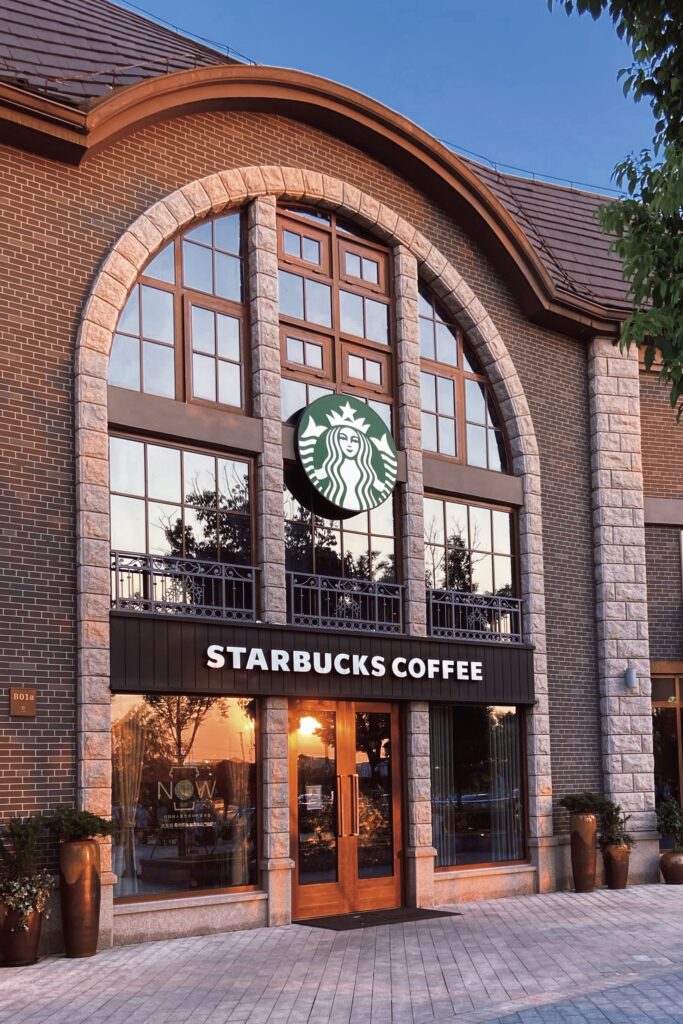
The landscape of American coffee culture is undergoing a major structural shift. Starbucks, the world’s largest coffeehouse chain, has officially announced the closure of approximately 250 underperforming retail stores across North America. This aggressive operational downsizing represents roughly 1% of the brand’s massive 18,000-store footprint in the United States and Canada. According to corporate statements released by Chief Operating Officer Mike Grams, the closures are part of a calculated efficiency drive to optimize retail health and real estate resources. Rather than a sign of panic, financial analysts view this move as a critical acceleration of the newly implemented corporate strategy designed to eliminate operational friction and rebuild premium brand equity.
1.The Logistics of the 250 Store Closures
While closing hundreds of locations sounds alarming to the general public, corporate data reveals that these closures are targeted specifically at redundant or highly unprofitable locations.
- The Mechanics: Chief Operating Officer Mike Grams confirmed in a public letter that the underperforming stores will be permanently shuttered by the end of this week. The affected locations are primarily urban sites that suffered from declining foot traffic, high lease costs, or severe overlapping with nearby sister branches.
- The Strategic Benefit: By trimming the bottom 1% of underperforming brick-and-mortar assets, Starbucks instantly frees up millions of dollars in liquid capital. This allows management to redirect resources toward technology upgrades, mobile application optimizations, and higher barista wages in high-volume, highly profitable metropolitan locations.
2.Brian Niccol’s “Back to Starbucks” Corporate Vision
The primary driver behind this sudden retail contraction is the aggressive vision of chief executive officer Brian Niccol, who took the helm with a strict mandate to reverse declining store traffic.
- The Strategy: Niccol’s signature corporate framework, “Back to Starbucks,” aims to strip away operational bloat and restore the nostalgic, community-centric “third-place” environment that originally made the chain a global powerhouse. The core pillars of this transformation include reintroducing self-service condiment bars, bringing back free coffee refills for rewards members, and drastically simplifying the overly complicated seasonal menu.
- The Strategic Benefit: Corporate tracking shows that while the vast majority of modernized stores are reacting favorably to the new simplified menu and improved workspace layouts, a small segment of legacy locations has failed to meet structural growth metrics despite extensive local staff efforts. Shuttering these rigid, low-margin spaces allows the corporation to protect its overall balance sheet.
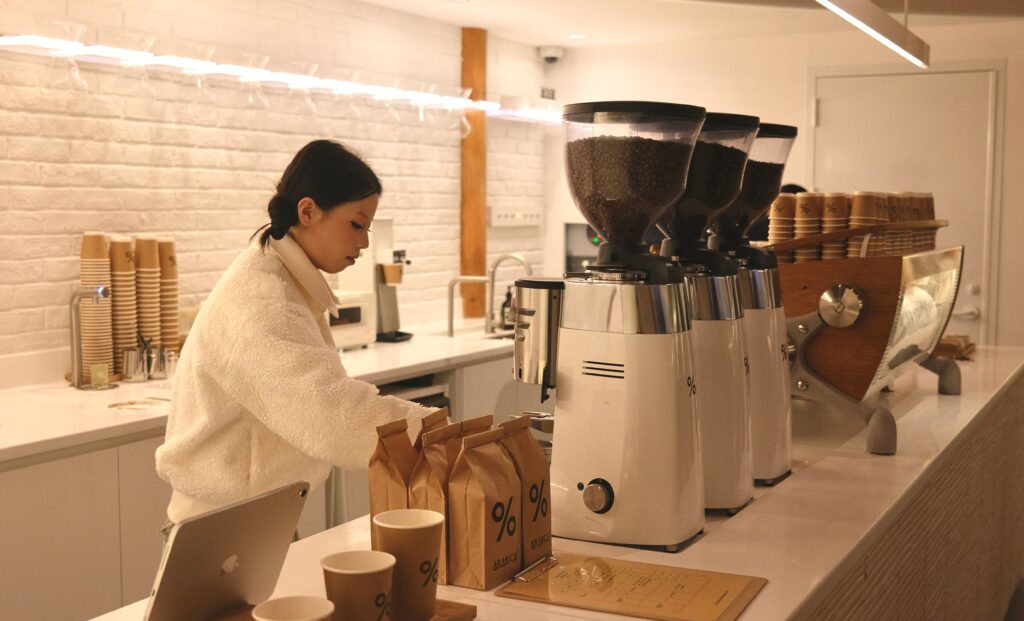
3.Tech and Workflow Overhauls Behind the Counter
A major complaint among Gen Z workers and young professionals has been the stressful, assembly-line nature of modern mobile ordering, which stripped away the traditional cafe experience.
- The Mechanics: In tandem with store closures, Starbucks is rolling out advanced proprietary automated brewing hardware and synchronized algorithmic scheduling tools to reduce wait times for drive-thru and mobile app consumers.
- The Strategic Benefit: Simplifying the mobile ordering workflow prevents baristas from being overwhelmed by complex custom ticket modifications. Niccol’s goal is to ensure that every single remaining store operates as a premium, low-stress environment where employees feel proud to work and consumers receive artisanal-level beverage consistency.
Conclusion: Quality Over Absolute Quantity
The deliberate closing of 250 stores proves that the corporate focus at Starbucks has officially pivoted from aggressive, unchecked geographic expansion to calculated, high-margin asset optimization. In an era dictated by rising supply chain costs and intense competition from specialized, independent local coffee rosters, maintaining unprofitable real estate is a liability. By execution of a swift retail contraction, Starbucks is positioning its North American infrastructure to deliver a faster, cleaner, and significantly more authentic customer experience. True market dominance is no longer measured by the raw number of open storefronts, but by the financial efficiency and consumer loyalty cultivated within each active location.
Disclaimer: The corporate evaluations, retail business insights, and strategic analyses provided in this article are strictly for informational and educational purposes only and do not constitute professional financial, investment, or legal advice. Corporate strategies, store closure lists, and stock performances fluctuate dynamically based on macroeconomic conditions and internal corporate policy shifts.