[Lifestyle & Fashion] The Y2K and Retro Fashion Revival: How Gen Z is Redefining Vintage Trends
Why Depop Culture, Wide-Leg Denim, and Tech Nostalgia Are Dominating 2026 Streetwear
The global fashion landscape has experienced a massive nostalgic shift, driven almost entirely by the unique consumption habits of Gen Z and young consumers. Moving away from the hyper-industrialized, mass-produced fast fashion lines of the past decade, today’s youth are turning back the clock. The late 1990s and early 2000s—collectively known as the Y2K aesthetic—alongside mid-century retro elements, have officially reclaimed the crown in modern streetwear. But this is not just a copy-and-paste repetition of historical style. The contemporary retro revival merges distinct vintage silhouettes with modern eco-conscious values, thrifting marketplace dynamics, and tech-integrated digital aesthetics. This comprehensive guide breaks down the core elements fueling the Y2K resurgence, the thriving second-hand marketplace economy, and the essential pieces defining the current youth uniform.
1. The Core Silhouettes and Textures of the Y2K Aesthetic
The modern interpretation of Y2K fashion focuses heavily on experimental proportions, playful texturing, and a total rejection of the strict minimal aesthetics that dominated the 2010s.
- Key Elements: Low-rise cargo pants with utility straps, oversized wide-leg denim jeans, baby tees with nostalgic rhinestone graphic prints, metallic silver textures, velour tracksuits, and chunky platform sneakers.
- The Cultural Driver: Young consumers view clothing as a highly individualized form of self-expression rather than uniform blending. The intentional juxtaposition of baggy, structural bottoms with cropped, fitted tops allows for a fluid, expressive silhouette that stands out both on social media feeds like Instagram and TikTok, as well as in real-world urban environments.


2. Sustainability and the Second-Hand Resale Economy
Unlike previous generational trends that were fueled exclusively by immediate fast-fashion retail manufacturing, the current retro boom is inherently tied to the circular economy and vintage thrifting platforms.
- Key Platforms: Depop, eBay, Poshmark, Grailed, and local curated vintage brick-and-mortar thrift boutiques.
- The Cultural Driver: Gen Z is deeply invested in environmental sustainability and ethical consumption. Buying authentic, pre-loved garments from the late 90s and early 2000s is viewed as a badge of honor. It completely subverts the ethical and environmental damage of fast fashion while ensuring that the wearer possesses a truly unique, one-of-a-kind wardrobe piece that cannot be easily replicated.

3. Tech Nostalgia as a Premium Fashion Accessory
The Y2K revival extends far beyond textiles and fabrics. It heavily incorporates early digital era technology directly into the daily outfit grid, transforming obsolete electronics into essential personal accessories.
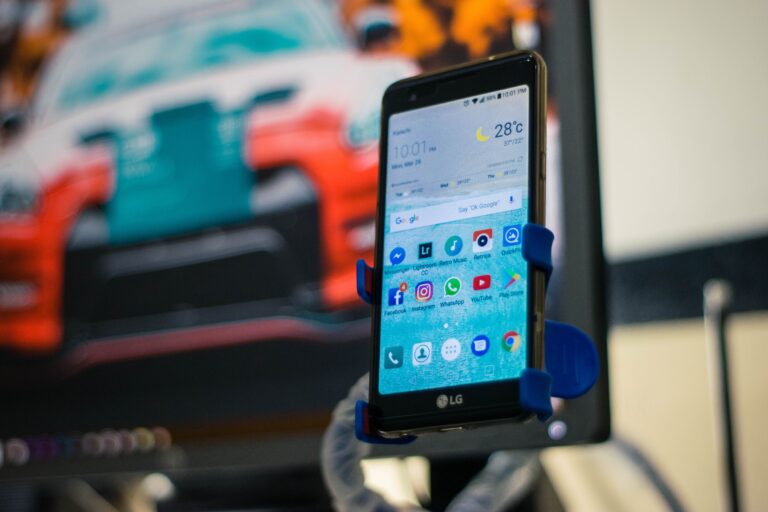
- Key Accessories: Over-ear wireless headphones worn intentionally as headwear, vintage digital point-and-shoot cameras hanging from utility waistbands, silver metallic chunky jewelry, retro flip phones, and early 2000s rimless wrap-around sunglasses.
- The Cultural Driver: There is a profound romanticization of the early, pre-smartphone internet era among today’s youth who crave digital boundaries. Carrying a standalone digital camera or wearing visible, tactile headphones is an intentional aesthetic statement, signaling a deep desire for analog experiences and offline presence in an overly digitized world.
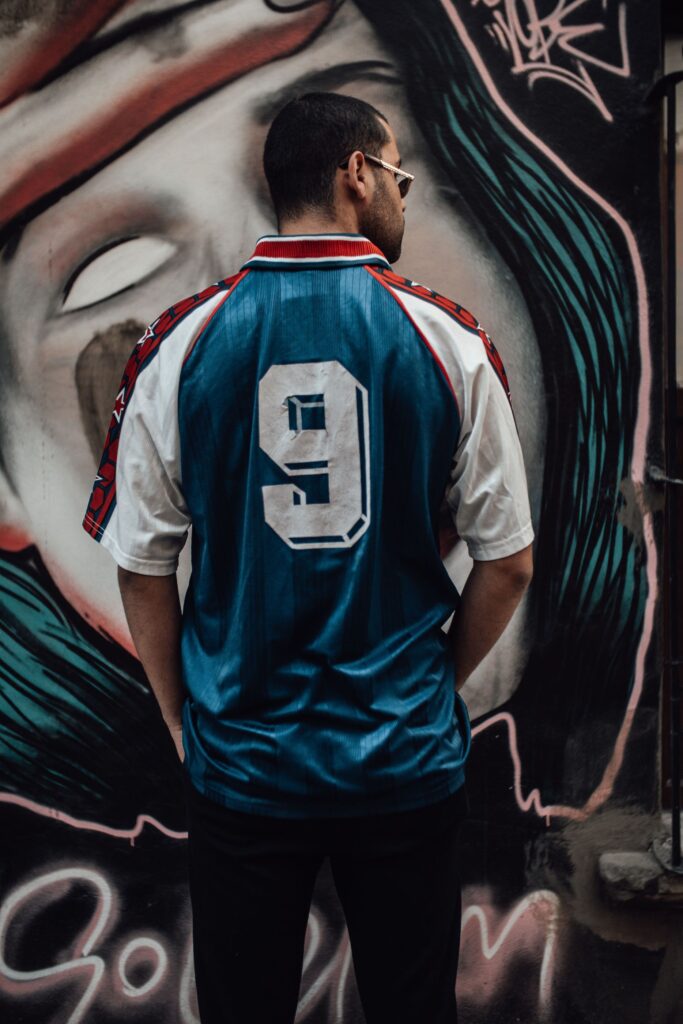
4. Subcultural fusions: The Rise of McBling and Blokecore
The retro phenomenon has branched out into highly specific subcultures, drawing inspiration from both early 2000s celebrity excess and vintage British subcultures.
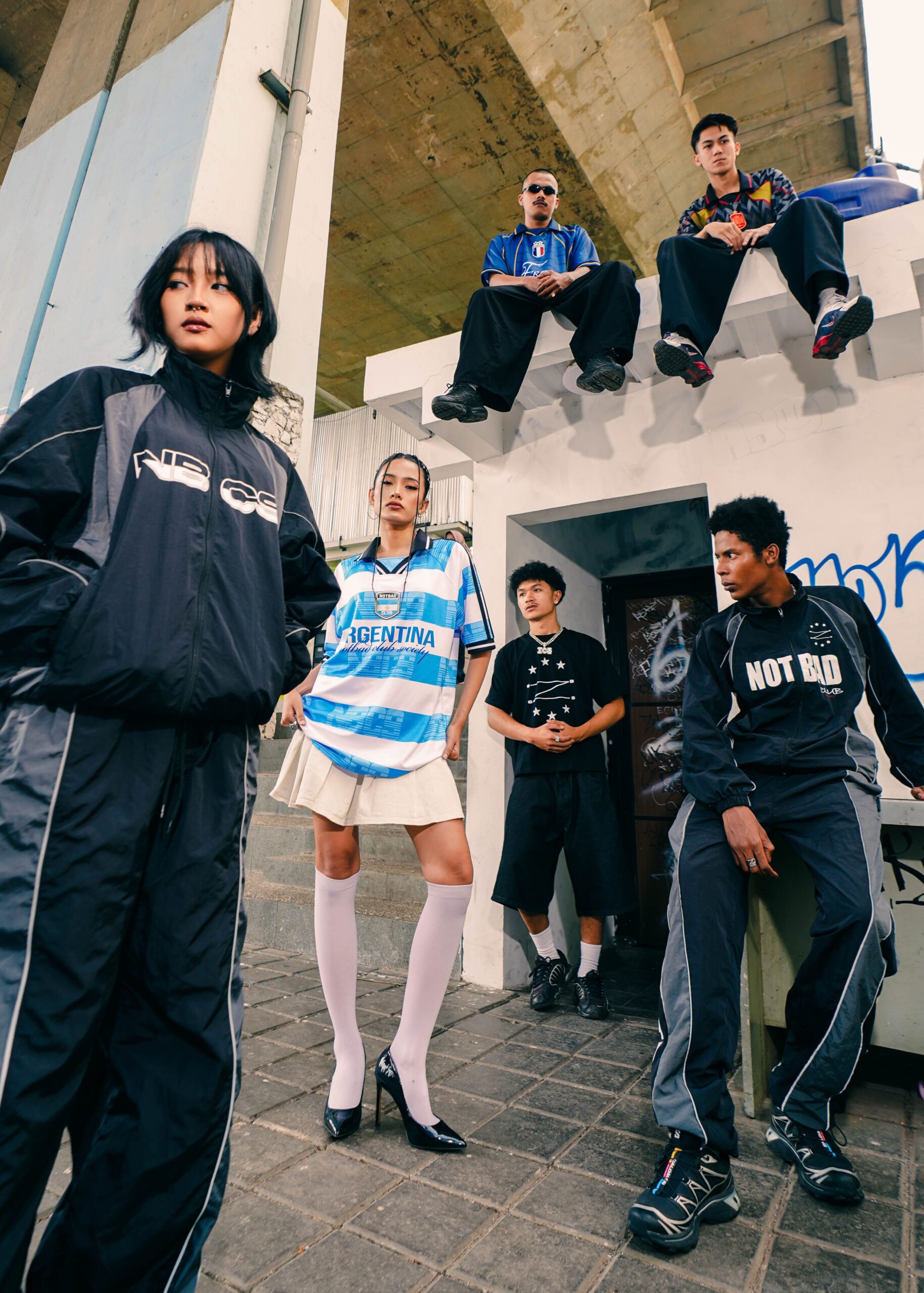
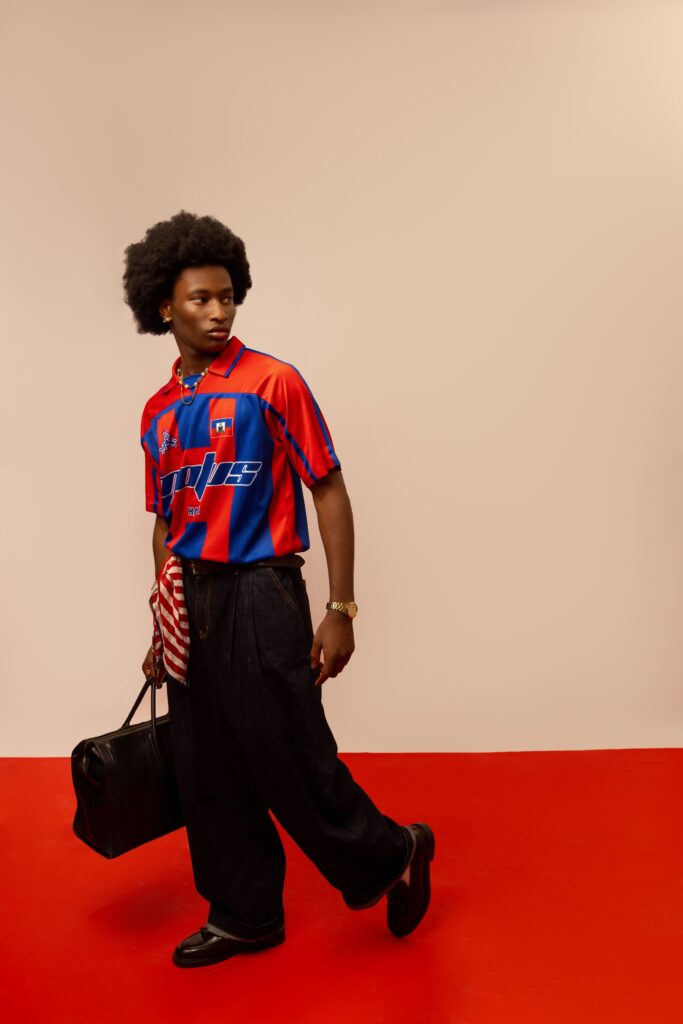
- Key Elements: Pink velour tracksuits with rhinestone branding (McBling), vintage 1990s soccer jerseys paired with straight-leg denim (Blokecore), oversized leather racing jackets, and retro athletic brand windbreakers.
- The Cultural Driver: Pop culture references from the MTV era and vintage sports uniforms allow young people to participate in a shared, communal sense of nostalgia. Mixing casual athletic wear with high-fashion vintage accessories creates a subversive look that feels simultaneously historical and futuristic.
Conclusion: Individualism Over Mass Fast Fashion
The enduring popularity of Y2K and retro fashion proves that modern style is no longer dictated by traditional top-down runway shows or corporate retail giants. Instead, it is shaped organically by an eclectic blend of internet subcultures, peer-to-peer online marketplaces, and a collective push toward sustainable living. By blending genuine vintage thrift finds with modern lifestyle hardware, the younger generation has successfully transformed clothing from a simple consumer product into a powerful statement on environmental ethics, individual identity, and historical appreciation.
Disclaimer: Market trends, platform functionalities (Depop, eBay), and fashion retail availabilities mentioned in this article are for informational and educational purposes only. Style preferences and second-hand market values fluctuate dynamically based on regional demand and online algorithm shifts.