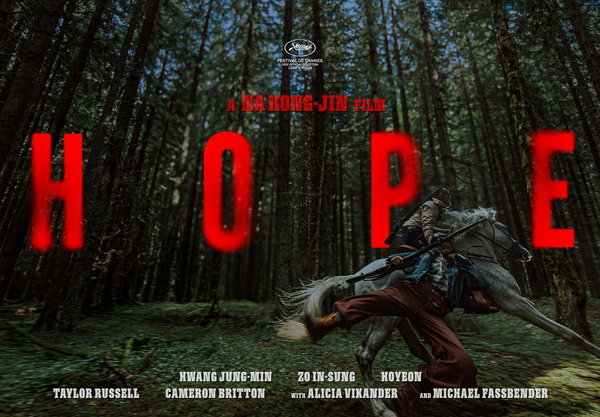
Hope (2026) Ending Explained: Na Hong-jin’s Bonkers Sci-Fi Creature Feature Broken Down
Introduction: The Arrival of Chaos in Hope Harbor
Director Na Hong-jin, acclaimed globally for his intense psychological thriller The Wailing, has returned with his most ambitious project yet—a $40 million dystopian sci-fi action epic titled “Hope” (2026). Released in the United States this September through Neon, the film strips away the slow-burn occult elements of Na’s past works and throws the audience directly into a relentless, blood-soaked battle for survival against an extraterrestrial threat.
Set in a remote, retro-styled South Korean village named Hope Harbor, the movie explores what happens when a tight-knit community is completely isolated by wildfires and systematically hunted by a cosmic entity. For those who left the theater dazed by the film’s frenetic pacing, jarring tonal shifts, and massive scale, here is the comprehensive breakdown of what actually happened at the end of Hope.
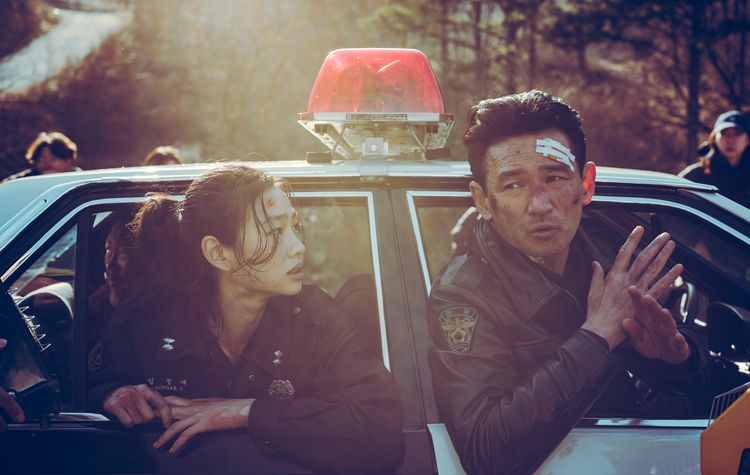
Source: Plus M Entertainment / Neon
The Plot: From Hunters to Prey
The story kicks off with a sense of eerie anticipation. Police Chief Bum-seok (played by the phenomenal Hwang Jung-min) and his optimistic rookie deputy Sung-ae (Jung Ho-yeon) investigate bizarre occurrences following a sudden communications blackout caused by forest fires. It begins with cattle mutilations—a slaughtered bull covered in deep, bloody scars. Soon, the horror escalates into human decapitations and buildings with massive holes burrowed into their structures.
Na Hong-jin brilliant mirrors Steven Spielberg’s Jaws by withholding the creature’s visual reveal for nearly the first hour, treating the audience to a masterclass in atmospheric dread. We only witness the sickening aftermath of its carnage. Desperate to protect their town, a local hunting party led by the fierce Sung-ki (Zo In-sung) ventures into the mountains. However, human arrogance quickly backfires. The hunters instantly become the prey as they realize they are dealing with something far beyond a wild animal or a terrestrial threat.

Source: Official Trailer Capture
The Twist: The Cosmic Shift and the Star-Studded Aliens
When the creature is finally unveiled, it initially resembles a terrifying, oversized spirit that runs on all fours like a predatory puma. But Hope undergoes a massive genre shift in its second half. The monster is not an mindless beast, but part of an advanced extraterrestrial faction.
This is where the film’s high-profile Hollywood casting comes into play. Michael Fassbender and Alicia Vikander portray the alien leaders, unrecognizable underneath layers of CGI-rendered cosmic skin. As the narrative progresses, the film shifts its perspective, even providing subtitles for the guttural, alien languages spoken by these cosmic visitors. The central conflict evolves from a simple “human vs. monster” survival trope into a tragedy fueled by human ignorance, miscommunication, and the desperate, territorial nature of both species.
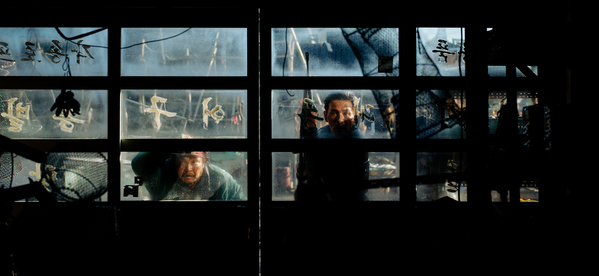
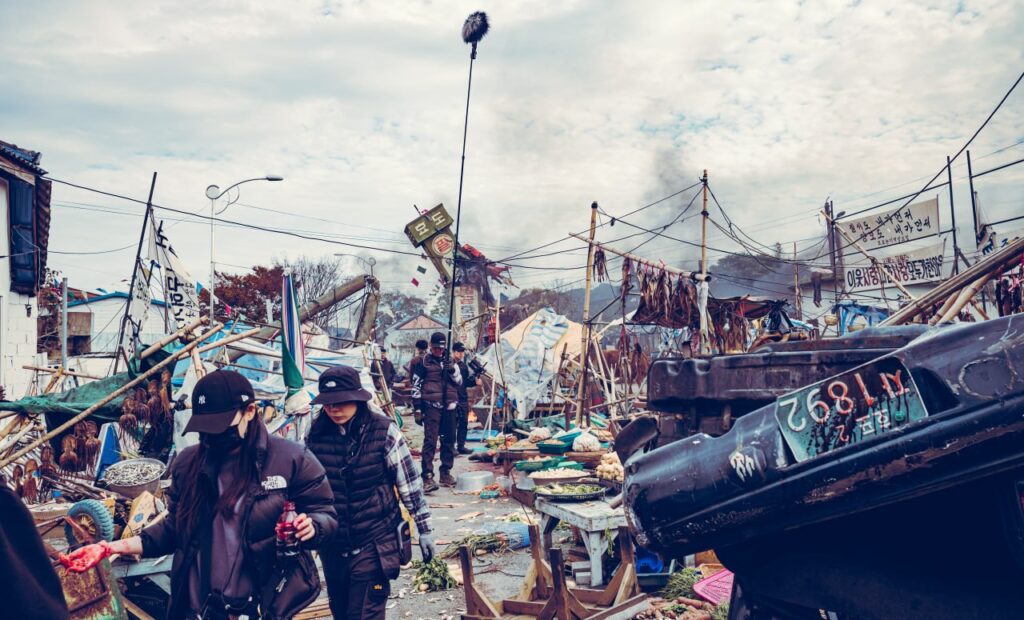
Source: IMDb
The Ending Explained: Failure of Communication and Cosmic Tragedy
The climax of Hope culminates in a breathtaking, ludicrously fast-paced wide-expanse chase scene that ranks as one of the most exhilarating action sequences of the year. Chief Bum-seok and Sung-ki mobilize everything they have left to push back against the invasion. Yet, true to Na Hong-jin’s signature nihilistic style, the core tragedy stems from a complete breakdown of trust.
The ending highlights that the aliens did not descend upon Hope Harbor with the sole intent of mindless annihilation. Subtitles reveal that the alien characters (such as Zor) were operating on a desperate promise of “hope” for their own dying species, seeking a way to resurrect their lost kin (including the symbolic rebirth of the son, Khali). Unfortunately, human panic, extreme bickering, and the local authority’s violent retaliation shut down any possibility of peaceful coexistence or mutual understanding.
The film concludes on an ambiguous, haunting note. Hope Harbor is left in absolute ruins, decimated by both alien weaponry and the ravaging wildfires. The surviving characters are left staring into a vast, indifferent cosmos, realizing that their own ignorance sowed the seeds of this absolute disaster. The word “Hope” becomes a cruel irony—it represents the desperate motivation that drove both the humans and the aliens to destroy one another.
Final Thoughts: Is “Hope” Worth the Watch?
Hope is undeniably a polarizing cinematic experiment. Clocking in at 156 minutes, some critics argue that it feels like two completely separate movies stitched together and suffers from uneven CGI polish. However, the electric chemistry of the Korean cast, Zo In-sung’s sheer physical gravity, and Hong Kyung-pyo’s magnificent, hyper-kinetic camera work make it an unmissable theatrical event. It is a chaotic, bonkers, yet profoundly unique addition to modern sci-fi horror cinema.