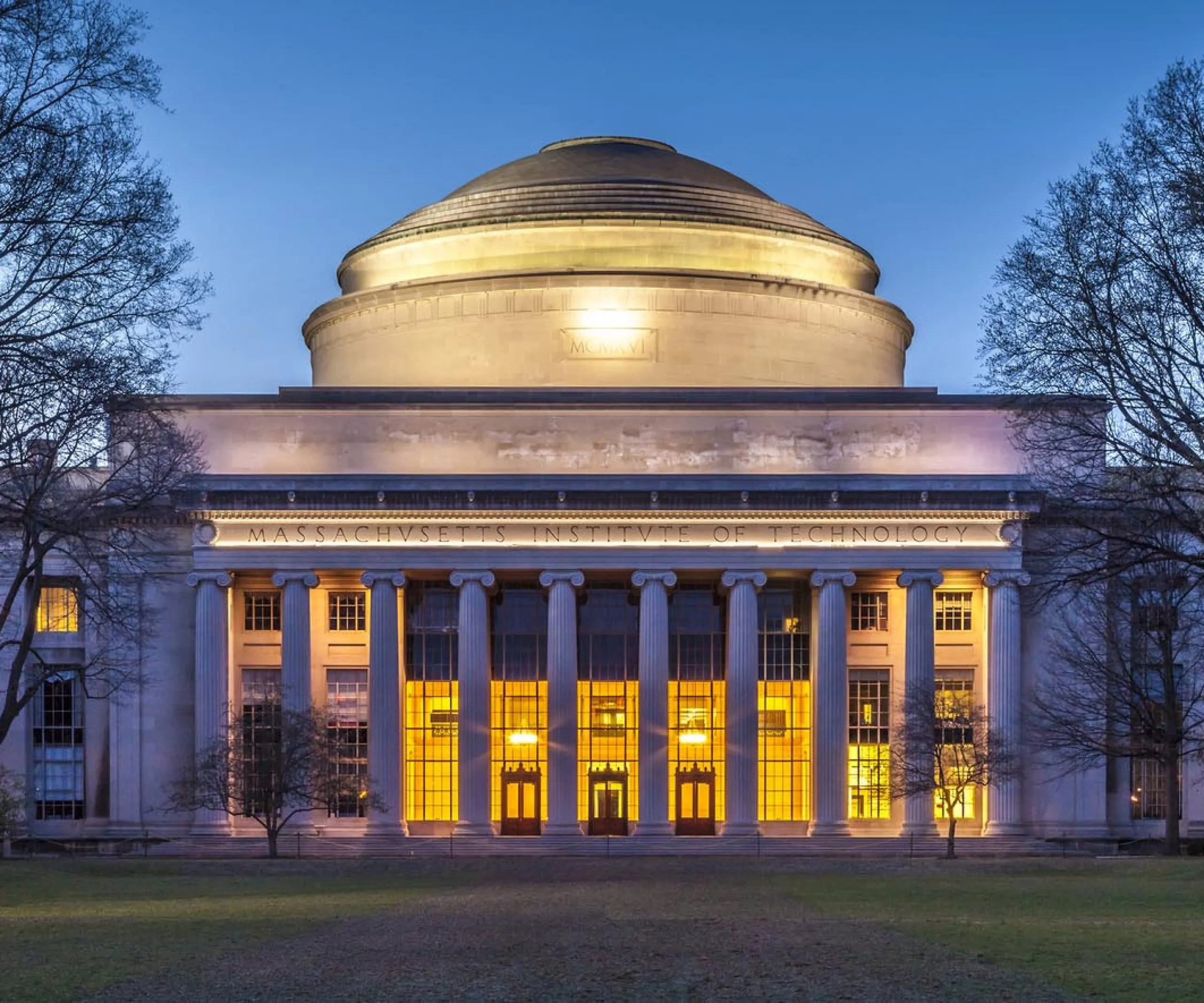
Major Shifts in the 2027 U.S. College Rankings: MIT Reclaims No. 1 and Outcomes Take Center Stage
1. Introduction: Why the World is Watching the 2027 Rankings
Every autumn, the attention of parents, students, and educational experts across the United States converges on a single publication: the annual Best National Universities rankings by U.S. News & World Report. The newly released 2027 rankings (officially published in September 2026) represent far more than a simple reshuffling of names; they signal a massive paradigm shift in the landscape of American higher education.
At Smartusshopper, we believe that choosing a university is one of the most critical financial and life decisions a family can make. For both domestic and international students, these rankings are not merely badges of prestige. They serve as a calculated tool to evaluate projected postgraduate earnings, networking value, and long-term return on investment (ROI). The 2027 metrics, heavily reshaped by a ground-up methodology overhaul, have introduced unprecedented volatility to institutions that enjoyed decades of secure positioning.
2. The Great Shakeup: MIT Seizes the Crown and Princeton’s Streak Ends
The most stunning revelation for observers this year is undoubtedly the transition at the absolute peak of the list. After a dominant 15-year run at number one, Princeton University slipped to the number two spot, clearing the path for the Massachusetts Institute of Technology (MIT) to claim sole possession of the first-place ranking.
In my experience as an educational analyst in the United States, Princeton’s long-standing dominance felt almost untouchable, but MIT’s ascension marks a new era where practical tech-driven outcomes weigh heavier than traditional prestige. MIT’s rise is fueled by more than raw academic prestige. The revised scoreboards heavily reflect the university’s immense authority in STEM fields and the unparalleled output of its graduates within tech sectors and global startups. Harvard University and Yale University held onto their Ivy League standing at number three and four, while Stanford University and Caltech closely followed in a tie for fifth place.
3. Decisive Changes in the 2027 Methodology
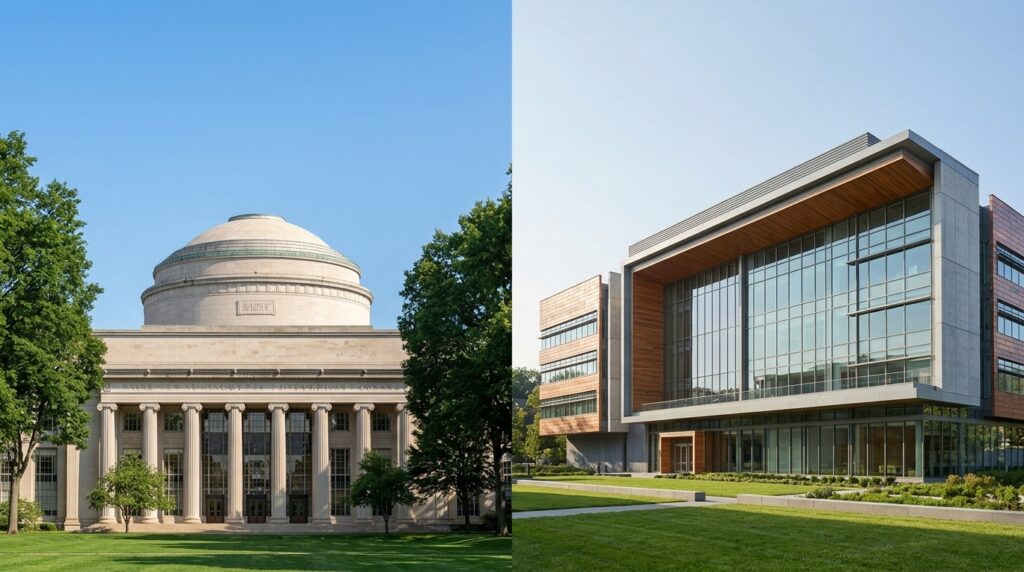
The primary driver behind this year’s dramatic rank fluctuations is a fundamental restructuring of how U.S. News computes institutional performance. Most notably, the long-standing “Graduate Indebtedness” metric has been entirely retired. In its place, the publication introduced a highly pragmatic outcome variable: “Earnings by Major.”
At Smartusshopper, we always emphasize to our readers that tracking the true value of education requires looking at long-term career returns, not just the initial brand name. This new earnings metric traces real-world financial data compiled four years post-graduation. Consequently, even if a school possesses historical renown, a failure to deliver competitive financial compensation for its alumni in the job market will directly suppress its overall rank. This aggressive shift toward functional outcomes and societal mobility has provided an immense boost to tech-centric and career-forward universities.
4. Public Universites Suffer Slumps While Private Powerhouses Climb
This cycle proved challenging for several premier public institutions, including the University of California system (UC schools). Renowned flagships such as UC Berkeley, UCLA, and the University of Michigan, Ann Arbor experienced marginal declines compared to previous years.
Conversely, specific private research institutions engineered incredible upward leaps:
- Caltech: Rocketed up 6 spots to break into the Top 5.
- Carnegie Mellon University (CMU): Climbed 6 positions to solidify its space in the Top 20.
- Boston University (BU) & Boston College (BC): These city rivals surged by 8 and 5 spots respectively, adding massive weight to the competitive mid-tier elite.
I have observed that many families overlook how regional alignment and industry partnerships can cause sudden jumps in a university’s ranking over a single cycle.
5. Soaring Tuition Rates vs. Strategic Financial Aid
As ranks climb, the baseline cost of tuition and associated fees continues to shatter historic records. Annual base tuition among elite private universities has comfortably breached the $70,000 threshold. When adding room, board, and cost-of-living adjustments, families are looking at an overall expense exceeding $100,000 per academic year.
At Smartusshopper, we firmly believe that no student should be discouraged by the staggering sticker price of elite institutions, as financial aid opportunities can drastically lower the net cost. Families must shift their focus to analyze the accompanying “Best Value Schools” index. Institutions like Princeton and Harvard maintain exceptionally deep, need-blind financial frameworks. For qualifying lower-to-middle-income brackets, these elite endowments frequently offer a final net price lower than that of local state-level public alternatives.
6. Conclusion: Navigating the Ranks Intelligently
The 2027 U.S. News college rankings illustrate that the process of selecting higher education has grown increasingly realistic, outcome-driven, and data-dependent. However, minor single-digit shifts on a chart do not comprehensively reflect the underlying caliber of a faculty body or classroom environment.
In my ultimate review, I advise students to treat these rankings as a roadmap rather than an absolute destination; finding the right institutional fit for your personal career goals is what truly guarantees success. Success relies entirely on cross-referencing your chosen major, household financial thresholds, and the geographical networks of your target industries to select the institution best optimized for your future.