The Hidden Hazards in Your Pantry: Why Some Expired Foods Can Be Dangerous
When walking into an American home, the en pantry is often viewed as a sanctuary of absolute security. It is the place where we stack bags of flour, rice, oats, potatoes, and various canned goods, operating under the long-held assumption that dry or commercially packaged goods can remain edible indefinitely. In a fast-paced society where buying in bulk at wholesale clubs is a common household habit, these forgotten items deep in the cabinets can slowly tick past their expiration dates without anyone noticing.
However, a viral food safety report written by Francesca Gariano and published on People.com outlines an uncomfortable reality: “5 Most Dangerous Expired Pantry Foods You Should Never Eat.” While the United States Department of Agriculture (USDA) explicitly states that the vast majority of date labels (such as “Best If Used By” or “Sell By”) simply indicate peak food quality rather than immediate safety hazards, certain pantry staples cross a dangerous line once they deteriorate or are stored under suboptimal conditions. Pathogenic bacteria, toxic chemical changes, and molds can turn basic ingredients into hidden vectors for acute foodborne illnesses. Understanding these risks is vital to protecting your health and avoiding severe gastrointestinal emergencies.
1. Powdered Infant Formula: A Non-Negotiable Deadline
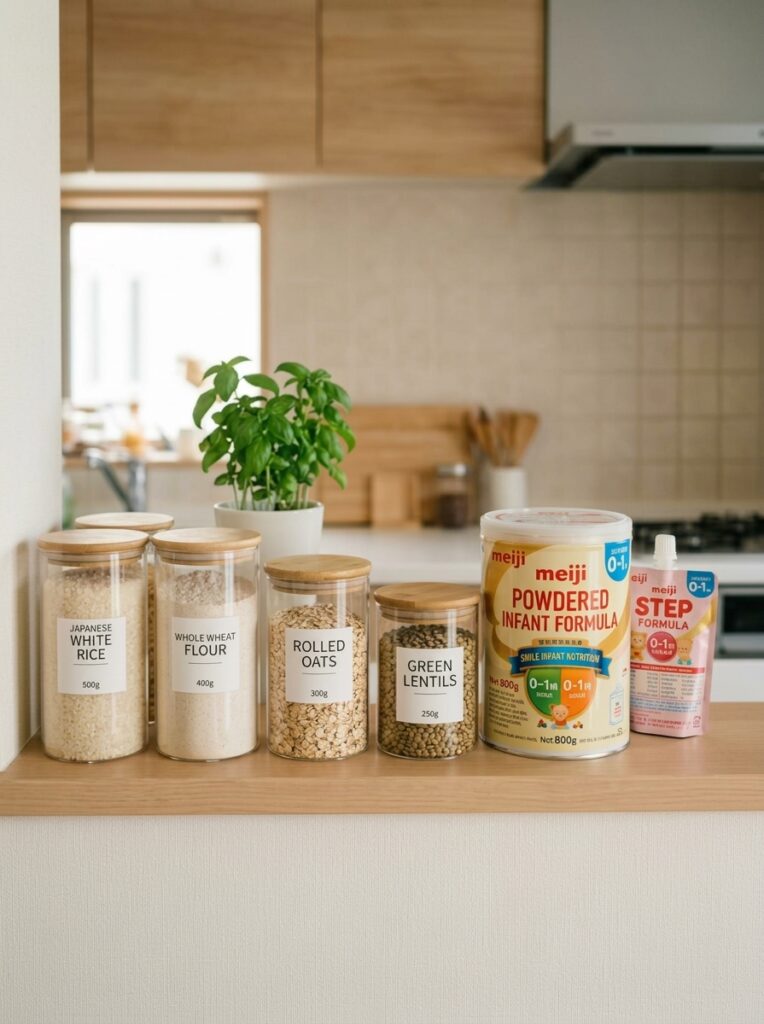
Among all the products sitting in a household pantry, powdered infant formula is uniquely critical because it is one of the very few food items in the United States that carries a strictly regulated, mandatory expiration date. For adults, an expired cracker might taste slightly stale or unappealing, but it will rarely cause physical harm. For a developing infant, however, consuming expired formula poses two severe risks: malnutrition and bacterial contamination.
Over time, the precisely engineered vitamins, essential fatty acids, and proteins within the formula naturally break down and lose their nutritional potency. Because infants rely entirely on formula as their primary source of life-sustaining sustenance, feeding them a nutrient-degraded batch can swiftly lead to developmental deficiencies. Furthermore, powdered formula is not a completely sterile product. If a container sits in a pantry past its expiration date—or remains open for more than a month—it can become a breeding ground for opportunistic pathogens. Feeding a baby expired formula can result in life-threatening conditions, making this the number-one item that must be discarded immediately upon reaching its expiration date.\
2. Flour: The Deceptive Danger of Raw Grain
Many people view flour as an inert, immortal powder that can sit on a shelf for years without consequence. This is a highly dangerous misconception. Flour is fundamentally a raw, agricultural product that does not undergo a sterilization or heat-treatment process during manufacturing before it is bagged and shipped to grocery store shelves.
Because it remains completely raw, flour can naturally harbor microscopic pathogens such as Escherichia coli (E. coli) and Salmonella right from the field. When flour is kept in a pantry past its ideal shelf life—especially if it is exposed to ambient humidity or fluctuating temperatures—it absorbs moisture, creating an optimized environment for these dangerous bacteria to multiply. Additionally, older flour is highly susceptible to structural spoilage from pantry pests like weevils and pantry moths. Experts from established baking institutions emphasize that you should always inspect flour before use; if it exhibits a gray or yellow tint, has clumped into moisture lumps, or gives off a sour, musty smell, it should be thrown out immediately to prevent severe food poisoning.
3. Uncooked Rice: The Bacillus Cereus Threat
Rice is another global and American staple that people mistakenly assume will last a lifetime in a glass jar or plastic container. While dry, uncooked white rice can remain stable for a long time under perfect conditions, it inherently carries a specific biological threat: the spores of Bacillus cereus.
These bacterial spores are highly resilient and naturally present on the grains. The major hazard with expired or poorly managed rice stems from prolonged storage in non-airtight containers or environments with high humidity. If the rice absorbs environmental moisture over time, the latent spores can activate and begin secreting dangerous emetic or diarrheal toxins. What makes Bacillus cereus particularly terrifying is its thermal resistance; the toxins produced by the bacteria can survive the high heat of boiling water during the cooking process. Eating rice that has hosted active bacterial growth can lead to sudden, severe bouts of vomiting and intense abdominal cramps within just a few hours of consumption.
4. Potatoes: The Toxic Rise of Solanine
While potatoes are a fresh produce item, they are routinely stored alongside dry goods in dark, cool pantry spaces for weeks at a time. However, they possess a relatively short shelf life compared to grains, and an expired or forgotten potato transforms from a healthy carbohydrate into a source of chemical toxicity.
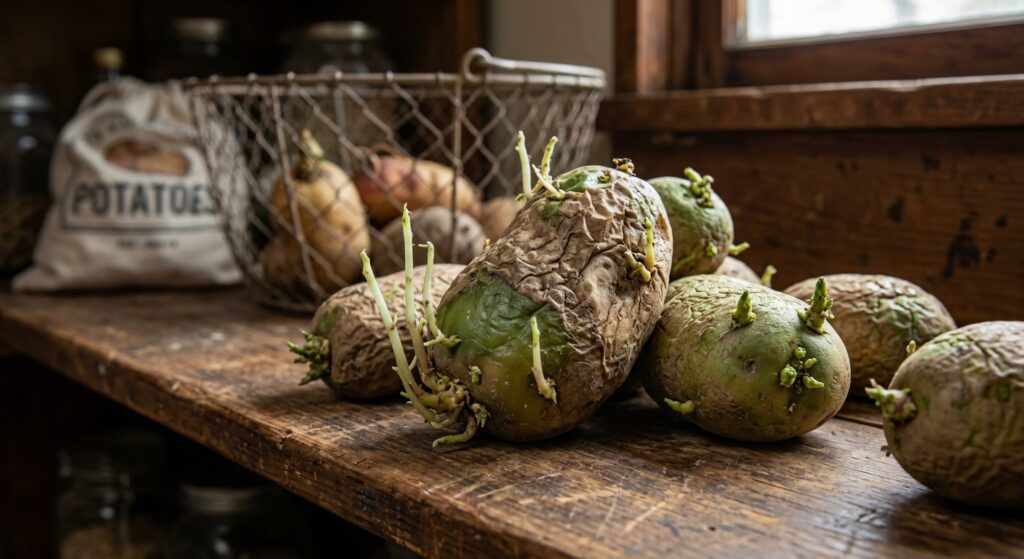
When a potato sits past its prime, it begins to soften, develop mold, and push out large, overgrown sprouts. These green areas and sprouts signify a massive surge in a natural glycoalkaloid compound called solanine. Solanine serves as the plant’s natural defense mechanism against pests, but it is highly toxic to human beings. Consuming a spoiled potato with high solanine concentrations can trigger acute neurological and gastrointestinal distress, including severe headaches, diarrhea, vomiting, and in extreme cases, paralysis, comas, or death. If a potato is mushy, wrinkled, or covered in extensive sprouts, cutting off the bad parts is no longer safe—the entire tuber must be discarded.
5. Damaged and Old Canned Goods: The Botulism Risk
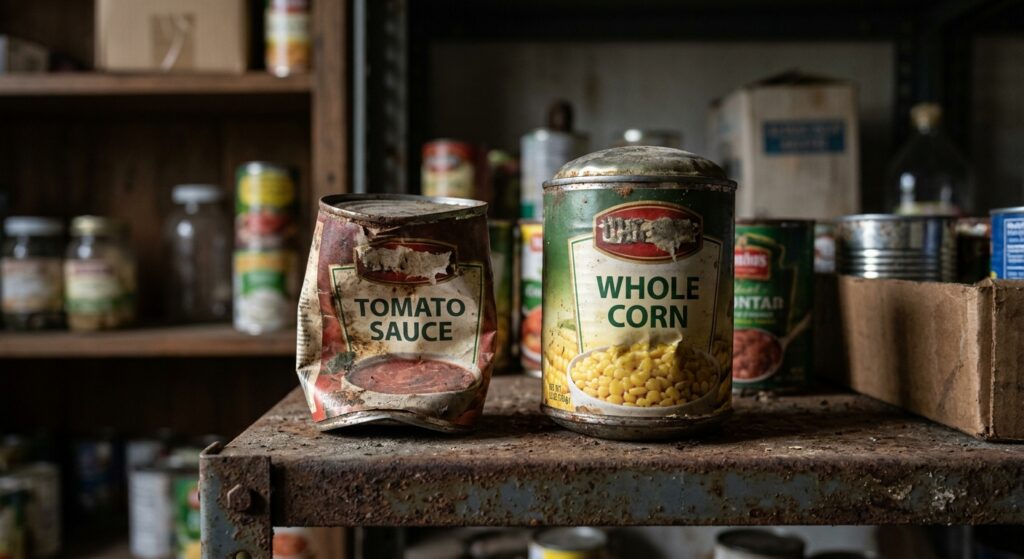
Canned foods are the quintessential survival item, praised for their ability to remain edible for years past their printed dates if the structural integrity of the metal packaging remains completely flawless. However, the true danger arises when old cans suffer physical degradation or internal structural failure.
If an old can develops deep dents along its seams, severe external rust, or internal corrosion, microscopic breaches can occur. These tiny holes allow oxygen and environmental microbes to enter an otherwise sterile environment. The absolute worst-case scenario in food safety is the growth of Clostridium botulinum inside a compromised can. This anaerobic bacterium thrives in low-oxygen, low-acid environments and produces botulinum toxin, the single most deadly neurotoxin known to science. Consuming even a microscopic trace of food contaminated with botulism can paralyze muscles, cause respiratory failure, and prove fatal. Any pantry container that is bulging, actively leaking, heavily rusted, or deeply dented must be treated as an extreme biohazard and thrown away immediately without a taste test.
Summary of Key Pantry Safety Guidelines
| Food Item | Primary Safety / Health Risk | Visual Warning Signs to Look For |
|---|---|---|
| Infant Formula | Nutritional breakdown, infant developmental failure, bacterial growth. | Clumping, past the printed “Use By” date, opened for over 30 days. |
| White / Whole Flour | E. coli and Salmonella contamination, weevil infestations. | Sour or musty smell, yellowish/gray discoloration, moisture lumps. |
| Uncooked Rice | Bacillus cereus spore activation and heat-resistant toxins. | Musty odor, dynamic moisture buildup inside the storage jar. |
| Potatoes | Acute solanine poisoning(gastrointestinal & neurological distress). | Green skin coloration, extensive sprouting, mushy or wrinkled texture. |
| Canned Goods | Botulism, fatal neurotoxin exposure, severe bacterial infection. | Bulging lids, leaking fluid, deep dents along seams, visible rust. |
Proactive Steps for a Safer Household Pantry
To maintain a safe kitchen and prevent foodborne illnesses, adopt a meticulous strategy for managing your pantry staples:
- The FIFO Method: Implement a strict “First-In, First-Out” rotation system. Always place newly purchased groceries at the back of the shelf, pulling older packages to the front so they are consumed first.
- Airtight Glass Storage: Transfer dry goods like grains, flour, and oats out of their original paper bags and store them in secure, airtight glass containers to completely block out moisture and pests.
- Bi-Annual Purges: Set a calendar reminder twice a year to conduct a comprehensive sweep of your kitchen cabinets, actively checking for expired items, compromised cans, and sprouting produce.
By keeping an organized kitchen and respecting the biological boundaries of your food, you can confidently eliminate the hidden pathogens waiting at the back of your shelves.