The Ice-Cold Civil War: Diet Coke vs. Coke Zero Sugar
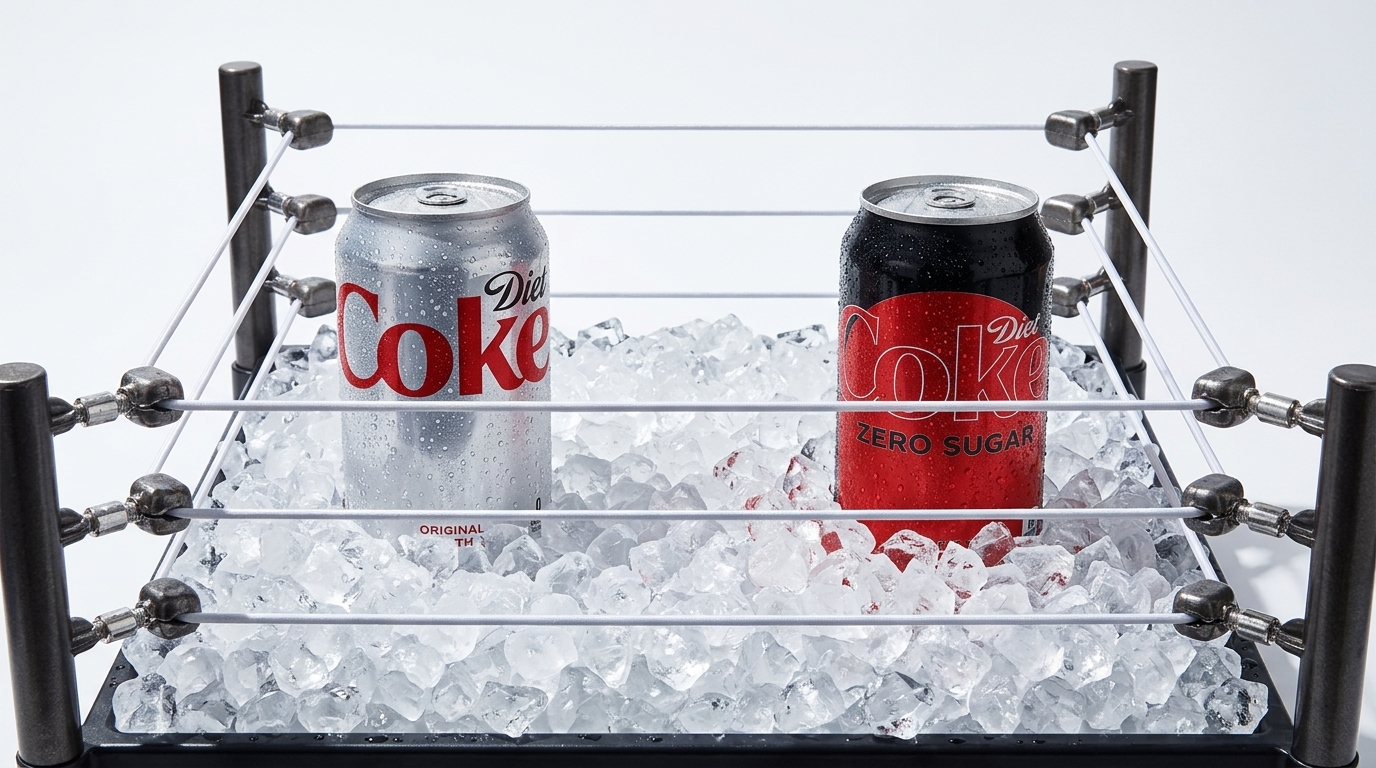
The American soda landscape was once defined by a singular, colossal clash: the legendary “Cola Wars” between Coca-Cola and Pepsi. Times have changed. In an era dominated by wellness, health tracking, and the absolute mandate of sugar reduction, the most ferociously fought battle is now taking place entirely inside the Coca-Cola empire. It is a direct, uncompromising confrontation between Diet Coke—a pop-culture juggernaut since 1982—and Coke Zero Sugar, the scientific prodigy aggressively climbing the ranks to claim the throne. The Wall Street Journal aptly termed this phenomenon an “ice-cold civil war.” The fans of each beverage stand fiercely divided, genuinely unable to comprehend each other’s liquid preferences.
At Smartusshopper, we believe that choosing a soda is no longer just about quenching thirst; it is a declaration of one’s identity. For Americans, these two beverages share a common baseline on the nutrition label—exactly zero calories—but they represent entirely distinct lifestyles, values, and worldviews.
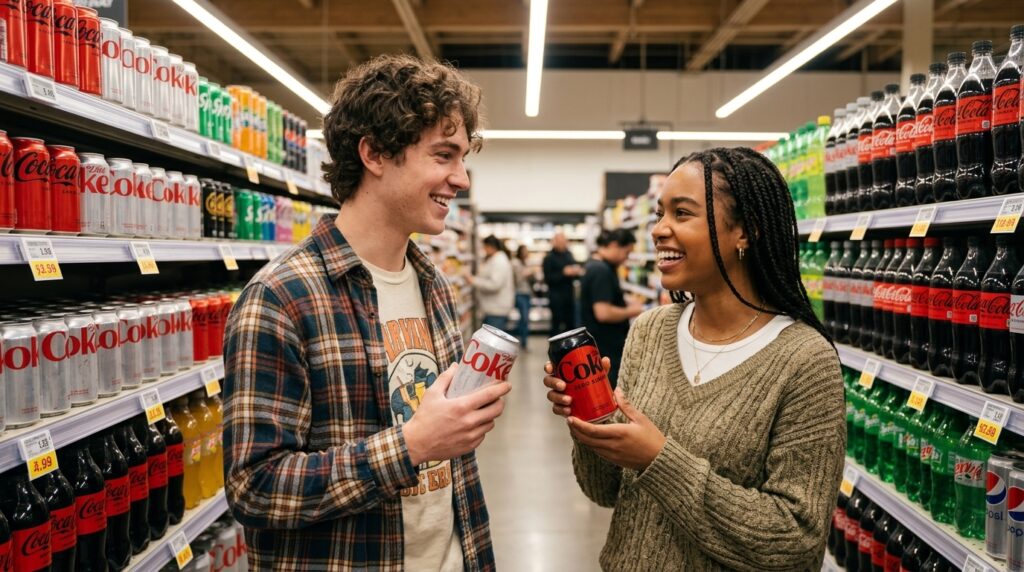
1. Diet Coke: The Triumph of Citrus Crispness and Retro Nostalgia
Diet Coke is far more than a legacy soft drink; it is an aesthetic and a dedicated lifestyle. Throughout the 1980s and 1990s, the distinctive silver can was a constant fixture in the hands of runway models, Manhattan office executives, flight attendants, and Hollywood stars. It became an immediate symbol of effortless cool. The defining characteristic of Diet Coke is that it makes absolutely no attempt to imitate regular full-sugar Coca-Cola. Its flavor profile is deliberately light, sharp, and accented with a distinct flash of citrus, carving out a unique sensory category.
In my experience, Diet Coke loyalists don’t actually want their drink to taste like regular full-sugar Coke. They are utterly devoted to the sensory ritual: the sharp, metallic snap of a thoroughly chilled can opening, followed by the crisp, biting impact of aspartame on the throat. Younger demographics, particularly Gen Z, have recently rebranded the beverage with affectionate internet nicknames like the “fridge cigarette”—treating it as a smoke-free, stress-relieving daily ritual amid a chaotic schedule. To insult Diet Coke is not merely to criticize a beverage flavor; it is an attack on a drinker’s personal taste and a rejection of a glittering era of pop-culture nostalgia.
2. Coke Zero Sugar: Scientific Replication and the Optimization Culture
Coke Zero Sugar was engineered with a completely different corporate philosophy. When Coca-Cola debuted the product in 2005, the strategic objective was unmistakable. The company aimed to dismantle the gendered stereotypes historically attached to the word “diet” in the American market—where diet sodas were overwhelmingly perceived as products for female consumers—and capture a broader demographic, including male drinkers. Draped in an aggressive, sleek black package, Coke Zero launched with a definitive promise: zero sugar, but the exact, uncompromised taste of an original Coca-Cola.
At Smartusshopper, we have observed that Coke Zero represents the pinnacle of modern food engineering, capturing the exact mouthfeel of the original. Devotees of Coke Zero frequently dismiss Diet Coke as a remnant of outdated food science, criticizing its flavor as overly chemical or artificial. Coke Zero drinkers demand absolute optimization. They refuse to accept compromises. They want to completely eliminate calories and sugar while fully retaining the heavy, sweet, caramel-forward richness that Americans have paired with backyard barbecues and baseball stadiums for generations. For the modern consumer who respects efficiency and scientific progress, Coke Zero is the ultimate guilt-free indulgence.
3. Fountain Diplomacy: The Battle for Restaurant Shelf Space
This ideological civil war transitions from online memes into physical confrontation at the restaurant drink fountain. Historically, a vast majority of American diners, fast-casual spots, and drive-thrus carried Diet Coke as their solitary zero-calorie cola option. For Coke Zero enthusiasts, encountering a dispenser lacking their preferred beverage is a recurring source of deep frustration.
In my experience, walking into a restaurant and hearing “We only have Diet Coke” is a deeply disappointing moment for any Coke Zero enthusiast. Coke Zero purists often argue that Diet Coke drinkers only continue to order the beverage out of pure inertia and decades of deeply ingrained muscle memory. Conversely, hardcore Diet Coke fans express immense frustration when traveling to regions where Coke Zero has become the default option, occasionally resorting to packing entire 12-packs of silver cans into their checked luggage. The struggle over a single valve on a fountain dispenser or a single shelf row in a convenience store cooler remains an incredibly serious, high-stakes business issue for Coca-Cola’s regional distributors.
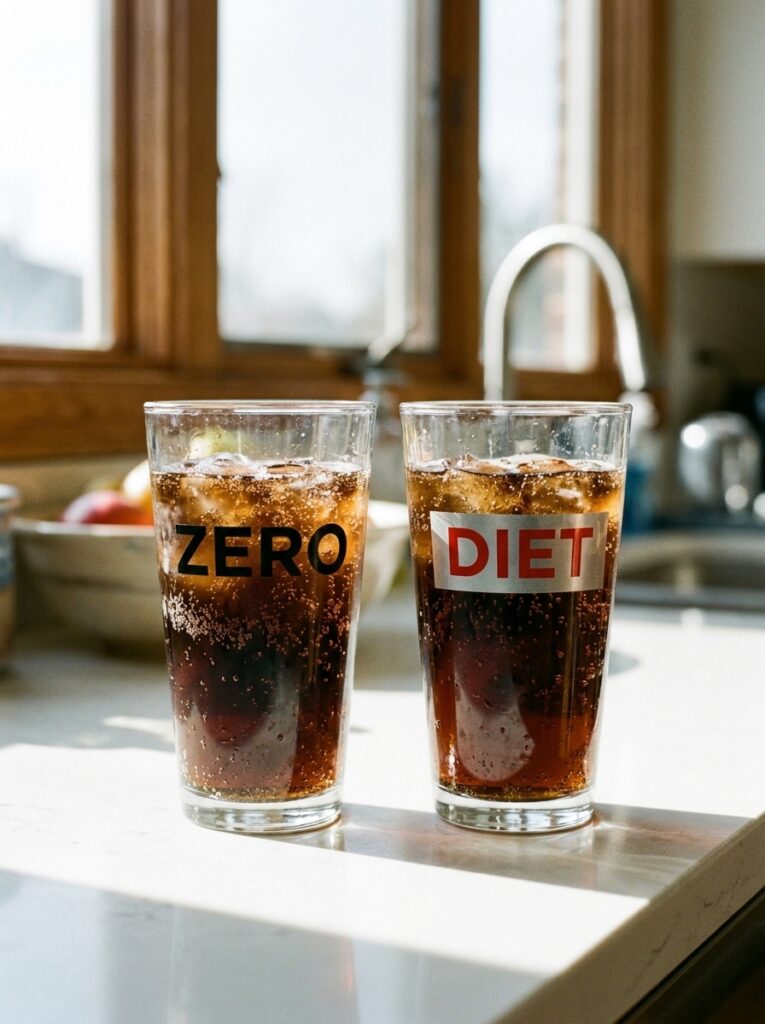
4. The Data of Soft Drink Power Shifts
While Diet Coke has comfortably maintained its status as a market leader for decades, recent sales data reveals a massive, undeniable surge in the growth of Coke Zero Sugar. Corporate financial reports indicate that while Diet Coke’s growth has leveled off into stagnation, Coke Zero Sugar consistently delivers double-digit sales growth globally, directly challenging the traditional hierarchy.
At Smartusshopper, we notice that younger generations, especially Gen Z, lean heavily toward the modern, sleek image of zero-sugar branding. Within today’s hyper-curated American wellness culture, a direct, literal declaration like “Zero Sugar” feels significantly more contemporary and transparent than the retro, weight-loss connotations of the word “Diet.” Yet, the uncompromising, borderline obsessive devotion to Diet Coke displayed by tech billionaires, political figures, and fashion directors proves that its cultural roots are profoundly deep. Internal consumer insights reveal that only about 10% of zero-calorie soda drinkers switch freely between both liquids. For the remaining 90%, it is a matter of absolute, unyielding allegiance.
Conclusion
Ultimately, the clash between Diet Coke and Coke Zero Sugar is not a simple comparison of artificial sweeteners. It is a cultural debate between the preservation of a unique, nostalgic flavor tradition and the embrace of modern, efficient food science optimized for flawless replication.
In my experience, whether you hold a silver can or a black can in your hand, you are telling the world exactly what kind of person you are. This cold, carbonated rivalry will undoubtedly continue to bubble across American dinner tables and social media feeds for years to come.